Latest News

  • SDGs

  • Publish Date:2026-09-29
From Medical Plastics to Campus Handrails: NYCU Unveils Sustainable Walkway
NYCU brings campus exploration online through Minecraft and 360-degree virtual tours, with AR navigation extending the experience for in-person visitors.
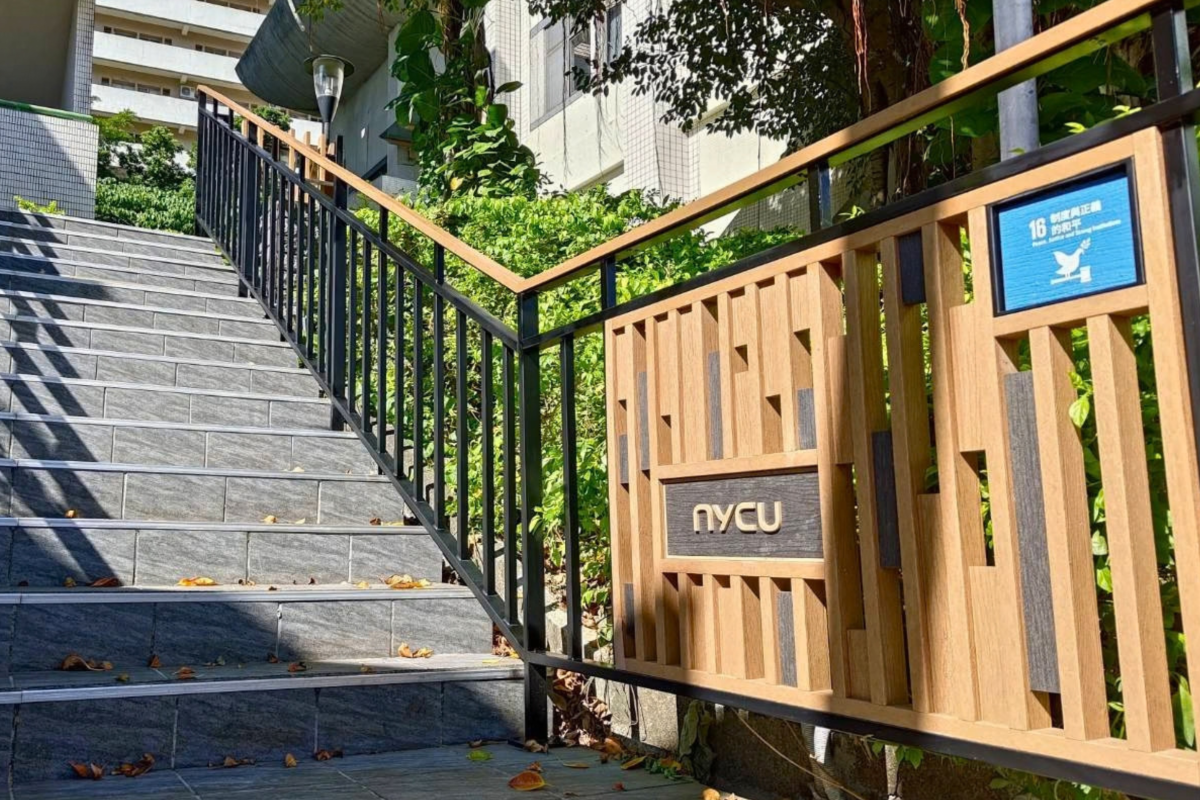
Handrails made from recycled medical plastics, including clear aligner production offcuts, line NYCU’s sustainable walkway beside the dentistry building
 

______
The handrails beside the dentistry building at National Yang Ming Chiao Tung University (NYCU) may look ordinary. But the materials inside them tell a different story: plastics left over from medical care and manufacturing, now given a second life on campus.

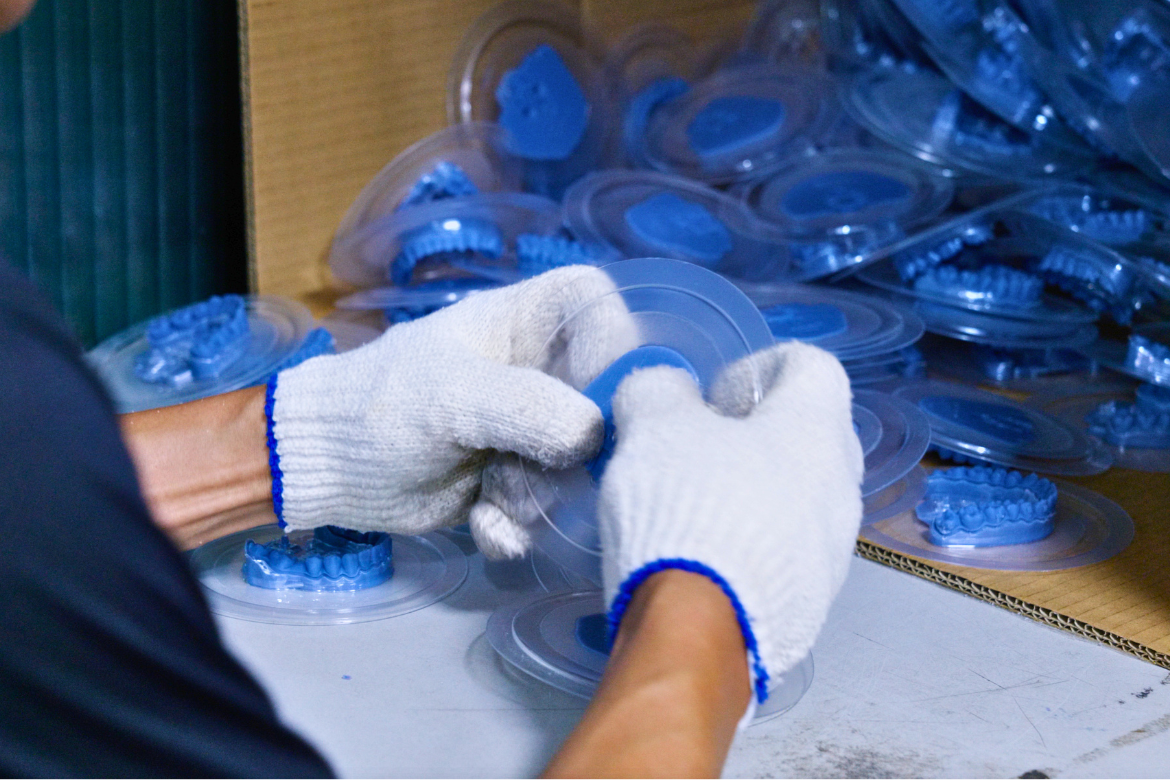
Unveiled on September 24, 2026, NYCU’s new sustainable walkway features landscape installations made largely from recycled plastics. The materials include offcuts from clear aligner production, recyclable non-infectious plastics from healthcare facilities and other plastic consumables.

After sorting, treatment and reprocessing, those discarded materials have returned to use as campus fixtures, offering a visible example of how healthcare materials can stay in circulation beyond their original purpose.
 
NYCU’s “360° Campus × Minecraft” event connects virtual campus tours with a Minecraft treasure hunt. From September 2 to 15, 2026, participants can complete tasks across both platforms and register with their NYCU email address for a chance to win prizes.
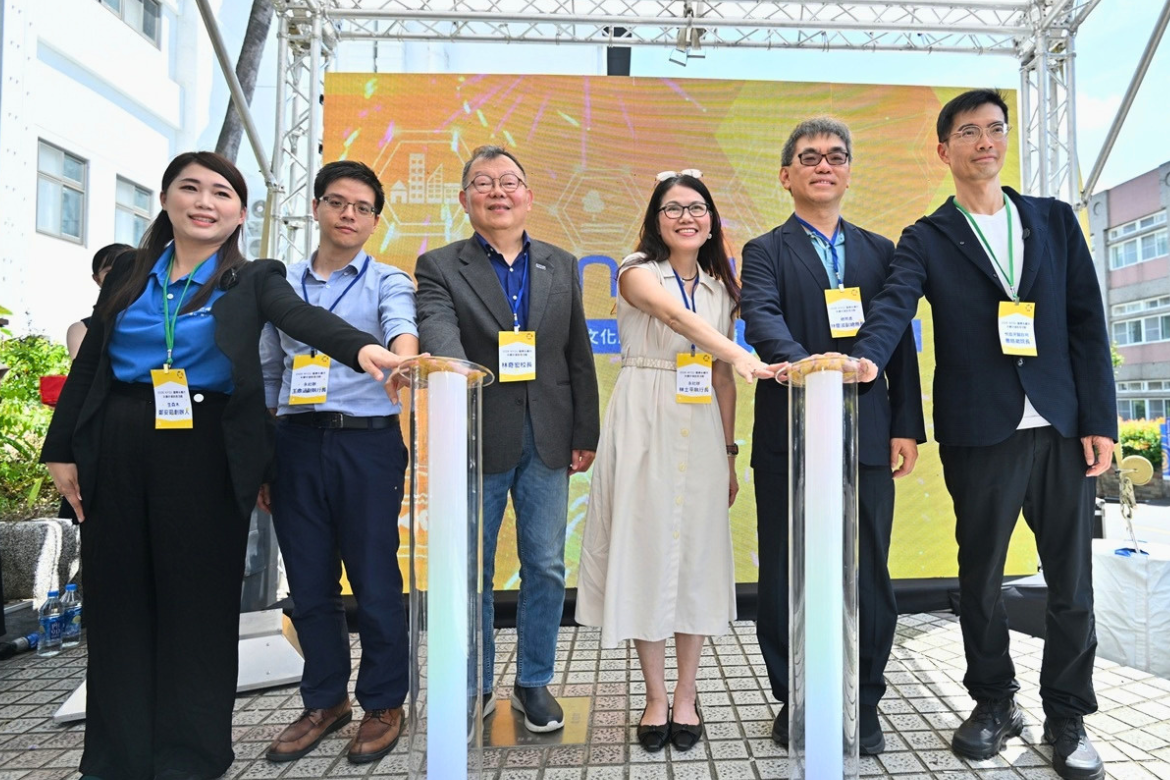
NYCU President Chi-Hung Lin (third from left), Sirirat Sae Lim (third from right) and Ding-Han Wang (second from left) join guests to unveil the university’s sustainable walkway.

Bringing Resource Recycling Into Everyday Life

The project is led by Sirirat Sae Lim, executive director of NYCU’s Office of Sustainable Development and University Social Responsibility, and Deputy Executive Director Ding-Han Wang, an associate professor in the Department of Dentistry.

For Lim, the walkway’s significance extends beyond improving the campus environment. It brings resource recycling into spaces that students and faculty use every day, making a concept often discussed in research and policy tangible.

Walking past the dentistry building or reaching for a handrail becomes an opportunity to see the results of a cycle that connects material use, collection, recycling and reuse. The project also reflects NYCU’s broader approach to sustainable healthcare: examining the full life cycle of medical services, products and materials. That means considering waste reduction and material choices from the outset, alongside opportunities for recycling and reuse.


Exploring a Second Life for Dental Materials

The walkway is one part of a wider effort to find new applications for materials that have completed their role in healthcare and teaching.

NYCU is working with universities in Taiwan and abroad, including Japan’s Tohoku University, to explore recovering calcium from discarded dental plaster. Through material conversion and reprocessing, researchers are investigating whether it could serve as a substrate for coral restoration.

The work remains exploratory, but it points to a potential connection between dental materials and marine conservation: materials used in clinical care or education could eventually support ecological restoration.

Turning the Campus Into a Place for Circular Innovation

NYCU’s reuse efforts also extend beyond medical plastics. Wood recovered after storm damage or tree pruning, along with broken baseball bats, has been redesigned and crafted into works that bring discarded materials back into campus life.

Together, these initiatives support a broader ambition to connect research, design, healthcare and campus spaces, creating opportunities for materials to enter another cycle of use.

“We hope the campus can be more than a place where sustainability is discussed—it can also be a place where material circularity, product testing and interdisciplinary collaboration are put into practice,” Lim said.

AR Takes the Experience Onto CampusPlastic offcuts from clear aligner production are among the materials recycled into handrails for NYCU’s sustainable walkway.
文/永續辦、公關組  圖/永續辦、趙之偉

醫療廢棄物也能變成校園景觀。牙醫館旁景觀步道上的扶手,看似平凡,其實是由醫療廢棄物再生而成。

學校今(24)日正式揭幕牙醫館旁的永續步道。這條步道多數的景觀設施,都採用回收塑膠再製而成。材料來源包括隱形牙套製程邊材、醫療院所產生的可回收非感染性塑膠,以及相關塑膠耗材等。這些材料在完成原有醫療或製程用途後,經過分類、處理與再生製程,轉化為新的校園設施,展現醫療材料循環再利用的實際成果。

推動這項計畫的是永續發展暨社會責任推動辦公室執行長林士平,以及副執行長同時也是牙醫系副教授王鼎涵。林士平表示,永續步道的意義不只在於改善校園環境,更希望透過師生每天都會接觸的日常空間,讓資源循環不再只是研究、政策或口號。當師生經過牙醫館、握住扶手或使用周邊設施時,就能實際看見醫療材料從使用、回收、再製到重新投入使用的循環過程。


這項計畫也反映校方近年推動醫療永續的方向。永續不只是減少廢棄物,更要進一步思考醫療服務、產品設計與材料使用的整體生命週期,從源頭減量、材料選擇、回收再製到再次利用,逐步建立更完整的循環模式。

校方也正與日本東北大學等國內外學校合作,探索回收牙科石膏中的鈣源,經材料轉化與再製後,作為珊瑚生態復育的潛在基材,讓完成醫療與教學任務的材料,重新取得應用價值。

除了醫療塑膠廢棄物,學校近年也持續探索校園廢棄材料再利用的可能。包括因風災、修枝等產生的廢棄木材,以及斷裂球棒等材料,都透過重新設計與加工,轉化為工藝作品,讓原本失去使用功能的材料,以新的形式重返校園、延續價值。

「希望讓校園不只是永續理念被討論的地方,更成為材料循環、產品驗證與跨域合作真正被實踐的場域。」林士平表示,學校希望逐步建立一套串聯研究、設計、醫療與校園場域的循環模式,讓不同材料在完成原有任務後,仍有機會重新進入下一個使用週期。
 

Related Image(s):