


神農坡雜誌網路版


社會正義
- 發布日期:114-09-24
- 更新日期:115-03-30
- 發布單位:公共關係組
科技帶路 偏鄉口腔照護再升級 Bringing Healthy Smiles to the Countryside with Technology
文/特約記者邱怡瑄
圖/秘書處
圖/秘書處
「十字軍」口衛隊的四十年長征
陽明交大牙醫學系的口腔衛生醫療服務隊自1979年成立以來,已經走過46年。多年來,這支由師生組成的團隊走訪臺灣各地,致力於推動口腔衛生觀念的普及與落實,並且為偏鄉地區提供口腔健康教育與義診服務。
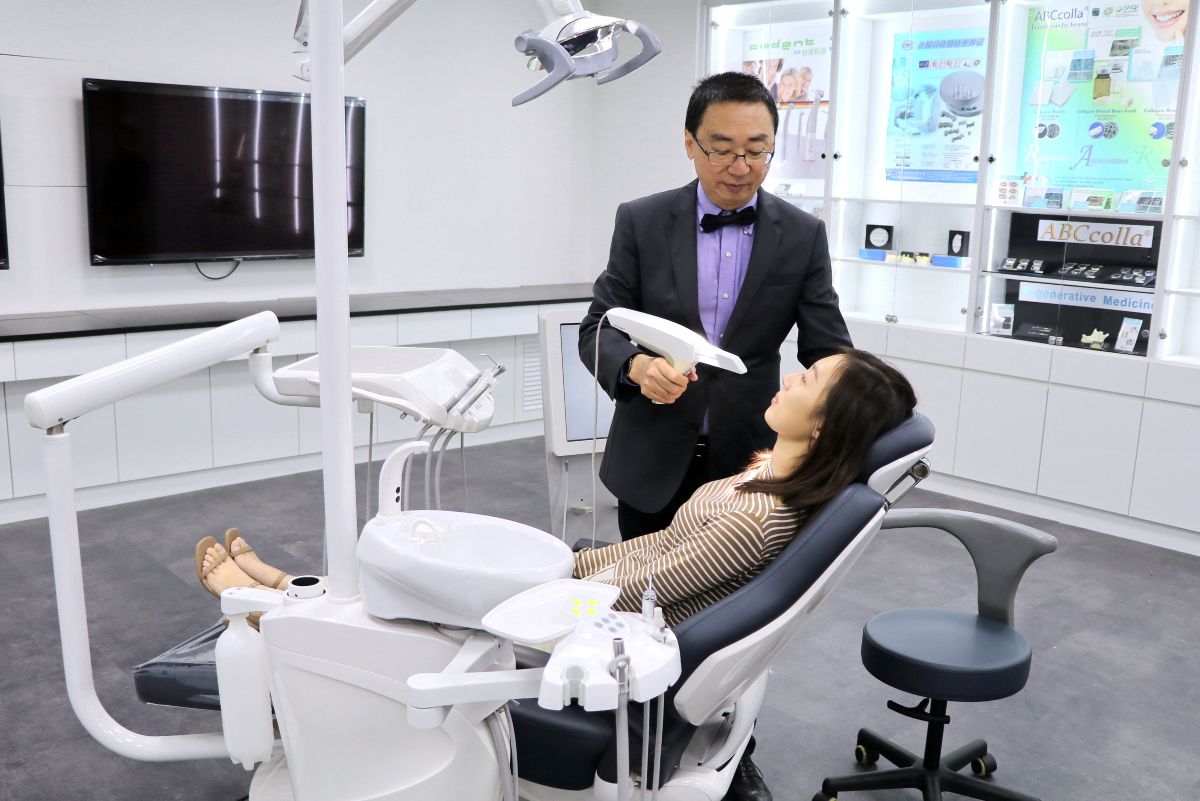
近年來,隨著科技的進步,這支口衛隊也注入了嶄新的元素,在2019年,成立「國際臨床數位牙醫教學與示範中心」(下稱中心)導入延展實境(XR)口腔衛教數位模型、雲端數位教材管理系統與AI智能診斷系統,期望透過科技輔助,讓偏鄉的口腔健康教育與照護更加深入。
今年,口衛隊的「社區口腔衛生教育數位轉型計畫」獲得2025年《遠見》USR大學社會責任獎「人才共學組首獎」。這份榮耀,不僅是對團隊努力的肯定,更是對偏鄉口腔健康教育與數位轉型實踐的深刻支持。
訪談當天,中心的口衛師們正忙碌準備下午進社區日照中心給長輩們的口腔衛生教育推廣的資料。
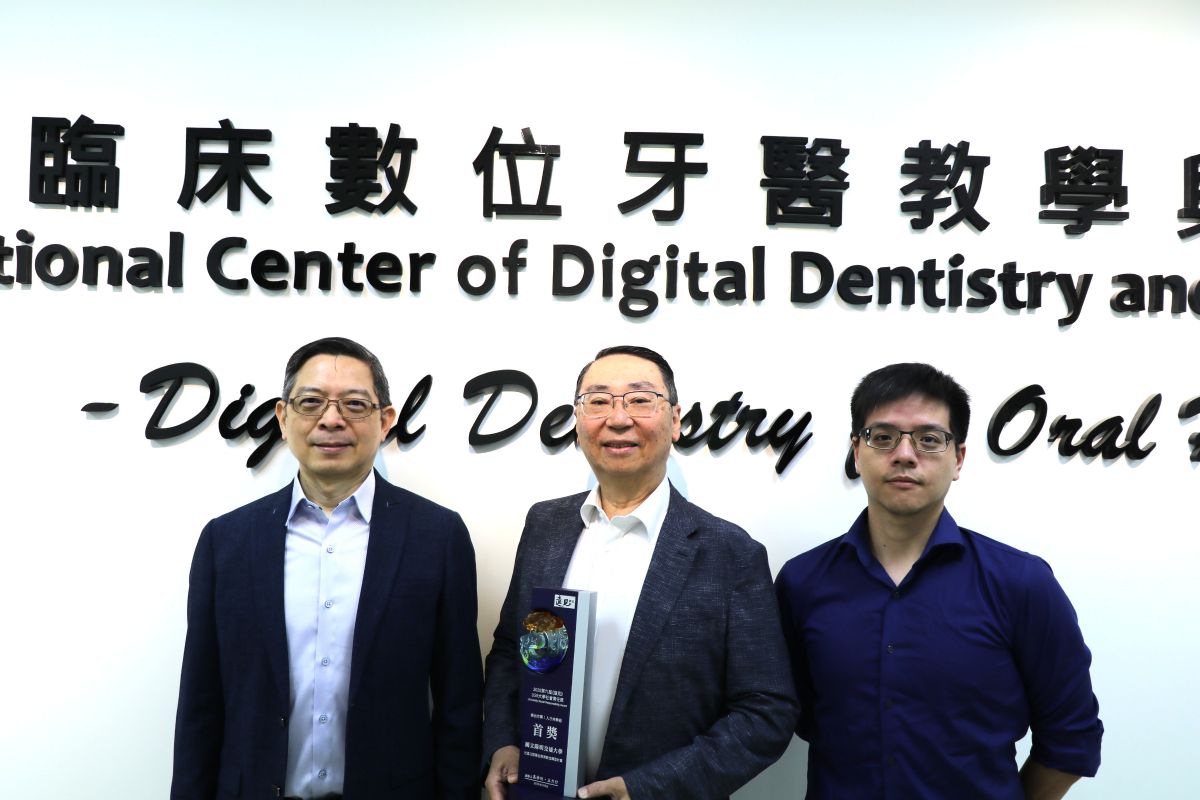
「社區口腔衛生教育數位轉型計畫」的主持人許明倫特聘教授、王鼎涵副教授,以及協助研發新技術的幻景啟動(Lixel)公司執行長、校友楊鈞翔,共同分享了口衛隊多年來的成果,以及數位轉型後帶來的全新變革與影響。
林奇宏校長,曾表示:「犧牲奉獻本來就是陽明大學的DNA。」這種精神深植於口衛隊的每一位成員心中。計畫主持人許明倫老師也回憶,早年印象最深的一次出隊到花蓮,遭遇颱風導致停水停電,但團隊仍克服困難完成任務,這段經歷成為難忘的記憶。
四十多年來,口衛隊的師生與義診的醫生們不計辛勞,利用寒暑假及課餘時間深入偏鄉,學以致用,期望一步一腳印喚起社會對弱勢團體及偏遠地區醫療資源不足的重視。
許明倫老師補充,這段長征並非一路順遂,資源往往不足,需要老師們經常自掏腰包或對外募款補足缺額,才能支持口衛隊每年持續出隊。即便如此,口衛隊始終堅持初衷,以實際行動守護偏鄉居民的口腔健康。
根據統計,自2020年至2024年,口衛隊每年平均舉辦30至50場義診活動,總活動場次達157場,服務人次約9,000至9,500人,主要針對學童進行口腔檢查、塗氟及窩溝封填等基礎口腔保健服務。
此外,口衛隊還積極推動高齡者的口腔健康教育與口腔機能檢查,協助社區弱勢族群提升口腔健康知識與自我照護能力。
數位轉型的初心
多年來,口衛隊除了學校所在的北投區外,足跡遍及花蓮、宜蘭、新竹縣尖石鄉 、等偏鄉小學進行口腔衛教與義診,雖然成效顯著,但也遇到了瓶頸。因應每年約500次以上的義診與衛教需求,讓口衛隊面臨人力不足的問題。
王鼎涵老師說,關鍵時刻是幾年疫情期間的警備狀態,僅能線上諮詢無法親身到現場服務,也深感傳統衛教方式的局限性,是必須要有新的形態來升級口腔衛教與義診工作。
過往傳統的口腔健康課程多以紙本教材或模型展示為主,但對於偏鄉孩子來說,這些靜態的教學方式很難激發他們的興趣,更難讓他們真正理解口腔健康的重要性。
這些挑戰促使口衛隊決定導入數位技術,讓衛教方式變得更加生動、有效。
當XR與AI遇上口腔衛教
「原來牙齒也能『伸手碰到』、『放大來看』,讓孩子們第一次有了『自己的牙齒』的概念。」這是XR延展實境技術帶給偏鄉孩子們的驚喜。孩子們不再只是看著老師操作模型,而是親自「走進牙齒裡」,放大、旋轉、理解每一顆牙的奧秘。
XR電子書與牙齒模型的應用,讓孩子們能透過互動式的方式學習口腔健康知識。比如,孩子們可以透過XR技術放大牙齒結構,了解蛀牙如何形成,並學習正確的刷牙方式。
王鼎涵老師表示,AI智能診斷系統也在臨床診斷中發揮了重要作用,能夠快速且準確地協助醫護人員判斷牙齒健康狀況,實測準確率已達到90%以上。而雲端教材管理系統的導入,則讓偏鄉學校能輕鬆獲取最新的衛教資料,並進行遠端學習。
科技是為了更好的照顧
數位轉型的最大收穫,不僅僅是技術上的進步,對於醫護人員與醫學生來說,這些新工具不僅提升了教學與實習品質,也讓他們更有成就感。
根據口衛隊的調查數據顯示,數位化衛教的成效,以及孩子們對口腔健康的知識掌握度較傳統方式有顯著提升。
「不是只做技術,而是想看見這些技術真的幫上忙。」參與技術開發的幻景啟動公司的楊鈞翔執行長說,過去從沒想過3D浮影可以運用在牙科醫療上,相信未來,牙科相關的科技技術還有更多可能性。甚至可以延伸至老人長照、特殊需求族群的口腔健康管理等領域,這些都是可以期待的未來發展。
「如果一年只能去1~2次,孩子的牙齒僅能在那時被看見。」這是口衛隊在偏鄉服務時常面臨的現實問題。
數位系統的導入,讓這樣的困境得到了改善。透過雲端技術,能追蹤居民的口腔健康狀況,並將這些數據作為未來政策制定的重要依據。
未來想像:數位照護能走到多遠?
「如果能把這樣的技術帶進所有需要它的角落,那會是什麼樣的臺灣?」陽明交大結合延展實境與人工智慧,透過技術創新守護弱勢口腔健康,推動教育與服務的可持續發展。
在國際交流方面,陽明交大也簽署了多項合作協議,引入更多科技背景的教師,推動教育與服務的創新發展。目前,中心也有兩位來自越南的研究生,擔負了網站與跨國際的資料庫整合。
訪談尾聲,口衛師送我們幾包無糖口香糖,疑惑為何口香糖可以做為口衛推廣的小禮物?王鼎涵老師笑著解惑說明加強口腔咀嚼功能可以預防失智唷!從最初的行動服務到如今的數位教具,從校園衛教到長照遠距牙科整合,口衛隊一直努力讓「健康的知識」與「可及的服務」不再是距離的特權。
正如王鼎涵老師所說,這是一群人共同實踐「以醫學專業帶來社會改變」的信念。他們用科技帶路,讓健康的知識與服務走進偏鄉,縮短了城鄉差距,為臺灣的口腔健康帶來了希望與改變。
未來,這樣的數位照護模式,將持續延伸到更多需要它的地方,讓每個角落都能感受到科技與人文的溫度。
陽明交大牙醫學系的口腔衛生醫療服務隊自1979年成立以來,已經走過46年。多年來,這支由師生組成的團隊走訪臺灣各地,致力於推動口腔衛生觀念的普及與落實,並且為偏鄉地區提供口腔健康教育與義診服務。
近年來,隨著科技的進步,這支口衛隊也注入了嶄新的元素,在2019年,成立「國際臨床數位牙醫教學與示範中心」(下稱中心)導入延展實境(XR)口腔衛教數位模型、雲端數位教材管理系統與AI智能診斷系統,期望透過科技輔助,讓偏鄉的口腔健康教育與照護更加深入。
今年,口衛隊的「社區口腔衛生教育數位轉型計畫」獲得2025年《遠見》USR大學社會責任獎「人才共學組首獎」。這份榮耀,不僅是對團隊努力的肯定,更是對偏鄉口腔健康教育與數位轉型實踐的深刻支持。
訪談當天,中心的口衛師們正忙碌準備下午進社區日照中心給長輩們的口腔衛生教育推廣的資料。
「社區口腔衛生教育數位轉型計畫」的主持人許明倫特聘教授、王鼎涵副教授,以及協助研發新技術的幻景啟動(Lixel)公司執行長、校友楊鈞翔,共同分享了口衛隊多年來的成果,以及數位轉型後帶來的全新變革與影響。
林奇宏校長,曾表示:「犧牲奉獻本來就是陽明大學的DNA。」這種精神深植於口衛隊的每一位成員心中。計畫主持人許明倫老師也回憶,早年印象最深的一次出隊到花蓮,遭遇颱風導致停水停電,但團隊仍克服困難完成任務,這段經歷成為難忘的記憶。
四十多年來,口衛隊的師生與義診的醫生們不計辛勞,利用寒暑假及課餘時間深入偏鄉,學以致用,期望一步一腳印喚起社會對弱勢團體及偏遠地區醫療資源不足的重視。
許明倫老師補充,這段長征並非一路順遂,資源往往不足,需要老師們經常自掏腰包或對外募款補足缺額,才能支持口衛隊每年持續出隊。即便如此,口衛隊始終堅持初衷,以實際行動守護偏鄉居民的口腔健康。
根據統計,自2020年至2024年,口衛隊每年平均舉辦30至50場義診活動,總活動場次達157場,服務人次約9,000至9,500人,主要針對學童進行口腔檢查、塗氟及窩溝封填等基礎口腔保健服務。
此外,口衛隊還積極推動高齡者的口腔健康教育與口腔機能檢查,協助社區弱勢族群提升口腔健康知識與自我照護能力。
數位轉型的初心
多年來,口衛隊除了學校所在的北投區外,足跡遍及花蓮、宜蘭、新竹縣尖石鄉 、等偏鄉小學進行口腔衛教與義診,雖然成效顯著,但也遇到了瓶頸。因應每年約500次以上的義診與衛教需求,讓口衛隊面臨人力不足的問題。
王鼎涵老師說,關鍵時刻是幾年疫情期間的警備狀態,僅能線上諮詢無法親身到現場服務,也深感傳統衛教方式的局限性,是必須要有新的形態來升級口腔衛教與義診工作。
過往傳統的口腔健康課程多以紙本教材或模型展示為主,但對於偏鄉孩子來說,這些靜態的教學方式很難激發他們的興趣,更難讓他們真正理解口腔健康的重要性。
這些挑戰促使口衛隊決定導入數位技術,讓衛教方式變得更加生動、有效。
當XR與AI遇上口腔衛教
「原來牙齒也能『伸手碰到』、『放大來看』,讓孩子們第一次有了『自己的牙齒』的概念。」這是XR延展實境技術帶給偏鄉孩子們的驚喜。孩子們不再只是看著老師操作模型,而是親自「走進牙齒裡」,放大、旋轉、理解每一顆牙的奧秘。
XR電子書與牙齒模型的應用,讓孩子們能透過互動式的方式學習口腔健康知識。比如,孩子們可以透過XR技術放大牙齒結構,了解蛀牙如何形成,並學習正確的刷牙方式。
王鼎涵老師表示,AI智能診斷系統也在臨床診斷中發揮了重要作用,能夠快速且準確地協助醫護人員判斷牙齒健康狀況,實測準確率已達到90%以上。而雲端教材管理系統的導入,則讓偏鄉學校能輕鬆獲取最新的衛教資料,並進行遠端學習。
科技是為了更好的照顧
數位轉型的最大收穫,不僅僅是技術上的進步,對於醫護人員與醫學生來說,這些新工具不僅提升了教學與實習品質,也讓他們更有成就感。
根據口衛隊的調查數據顯示,數位化衛教的成效,以及孩子們對口腔健康的知識掌握度較傳統方式有顯著提升。
「不是只做技術,而是想看見這些技術真的幫上忙。」參與技術開發的幻景啟動公司的楊鈞翔執行長說,過去從沒想過3D浮影可以運用在牙科醫療上,相信未來,牙科相關的科技技術還有更多可能性。甚至可以延伸至老人長照、特殊需求族群的口腔健康管理等領域,這些都是可以期待的未來發展。
「如果一年只能去1~2次,孩子的牙齒僅能在那時被看見。」這是口衛隊在偏鄉服務時常面臨的現實問題。
數位系統的導入,讓這樣的困境得到了改善。透過雲端技術,能追蹤居民的口腔健康狀況,並將這些數據作為未來政策制定的重要依據。
未來想像:數位照護能走到多遠?
「如果能把這樣的技術帶進所有需要它的角落,那會是什麼樣的臺灣?」陽明交大結合延展實境與人工智慧,透過技術創新守護弱勢口腔健康,推動教育與服務的可持續發展。
在國際交流方面,陽明交大也簽署了多項合作協議,引入更多科技背景的教師,推動教育與服務的創新發展。目前,中心也有兩位來自越南的研究生,擔負了網站與跨國際的資料庫整合。
訪談尾聲,口衛師送我們幾包無糖口香糖,疑惑為何口香糖可以做為口衛推廣的小禮物?王鼎涵老師笑著解惑說明加強口腔咀嚼功能可以預防失智唷!從最初的行動服務到如今的數位教具,從校園衛教到長照遠距牙科整合,口衛隊一直努力讓「健康的知識」與「可及的服務」不再是距離的特權。
正如王鼎涵老師所說,這是一群人共同實踐「以醫學專業帶來社會改變」的信念。他們用科技帶路,讓健康的知識與服務走進偏鄉,縮短了城鄉差距,為臺灣的口腔健康帶來了希望與改變。
未來,這樣的數位照護模式,將持續延伸到更多需要它的地方,讓每個角落都能感受到科技與人文的溫度。
By Carol Chiu
Image courtesy of the Secretariat
Image courtesy of the Secretariat
The Oral Hygiene Education Team’s 40-year mission
Since its founding in 1979, the Oral Hygiene Education Team from the Department of Dentistry at National Yang Ming Chiao Tung University (NYCU) has served a variety of communities.
Over the past 46 years, this team of faculty and students has traveled throughout Taiwan, working tirelessly to promote oral health awareness and put those ideas into practice. In particular, the team focuses on providing oral health education and free dental outreach clinics in underserved rural areas.
In recent years, technological advances have allowed the team to introduce innovative new tools and approaches, and in 2019, they established the International Center of Digital Dentistry and Clinical Education (simply called “the Center”).
The Center provides cutting-edge resources like extended reality (XR) models for oral health education, a cloud-based digital material management system, and an AI-powered diagnostic system. The goal of the Center is to leverage technology to more effectively deliver oral health education and care to remote communities.
The team has been lauded for their efforts. This year, their Community Oral Health Education Digital Transformation Project won the top prize in the Talent Co-Learning category of the 2025 Global Views University Social Responsibility (USR) Awards. This award acknowledges the team’s commitment and the real impact of their efforts to improve oral health education and drive digital transformation in rural communities.
We interviewed project leads Distinguished Professor Ming-Lun Hsu and Associate Professor Ding-Han Wang, together with Alex Yang, a university alumnus and CEO of Lixel (an innovative tech company), who shared the team’s accomplishments over the years and discussed the sweeping changes and far-reaching impact brought by their digital transformation.
As we conducted the interview, the Center’s dental hygienists busily prepared materials for that afternoon’s outreach session at a community day care center for seniors.
President Chi-Hung Lin has remarked that, “Self-sacrifice and dedication run deep in the DNA of NYCU.” This spirit of overcoming hardship is deeply rooted in the Oral Hygiene Education Team.
Project leader Professor Ming-Lun Hsu recalled a particularly memorable outreach trip to Hualien in the early days, when a typhoon left them without water or electricity. Despite these hardships, the team persevered and completed their service mission, creating an unforgettable experience.
For more than 40 years, faculty, students, and volunteer dentists have dedicated their vacation and free time to visiting rural communities, where they put their knowledge into practice and raise public awareness about the lack of medical resources for disadvantaged groups and remote areas.
Professor Hsu explained that this long journey has rarely been smooth. Resources are often scarce, and faculty members have frequently paid out-of-pocket or performed fundraising activities to ensure the team could continue its annual outreach missions.
Despite these difficult circumstances, the team has always stayed true to its ideals, working to protect the oral health of rural residents through real, concrete actions.
The accomplishments of the team are impressive. From 2020 to 2024, the Oral Hygiene Education Team organized an average of 30 to 50 free dental clinics each year, with a total of 157 events serving roughly 9,000 to 9,500 people.
Their main focus has been to provide children with essential dental care, including oral exams, fluoride treatments, and fissure sealants. In addition, the team works actively to promote oral health education and conduct oral function screenings for seniors.
In this way, they help vulnerable groups in the community improve both their oral health knowledge and their self-care skills.
Reasons for going digital
Over the years, the impacts of the Oral Hygiene Education Team have reached far beyond their home base in Beitou, as members travel to remote elementary schools in places like Hualien, Yilan, Jianshi Township in Hsinchu County, as well as other rural areas.
While their efforts to provide oral health education and free dental outreach clinics in these locations have made a real difference in people’s lives, the team has also encountered significant challenges in meeting the expansive need.
There is demand for more than 500 outreach events and dental education sessions each year, so the team has often found itself stretched thin when it comes to manpower.
Prof. Ding-Han Wang explained that a turning point came during the pandemic. With communities under strict lockdowns, the team could only provide online consultations and lacked an ability to offer hands-on, onsite care.
That experience really drove home the limitations of traditional outreach approaches, making it clear that oral health education and free dental outreach clinics needed a new strategy to move forward.
In the past, most oral health classes relied on paper handouts or physical models. But for children in rural areas, those traditional, static lessons sparked little interest and did not help them truly appreciate the importance of oral health.
These shortcomings motivated the team to embrace digital technology for transforming their teaching methods and making education more dynamic and effective.
Bringing oral health education to life with XR and AI
“It turns out that using technology, you can actually ‘touch’ and ‘zoom in’ on teeth, giving kids their very first sense of what their own teeth are really like!” That’s the kind of excitement XR (extended reality) technology has brought to children in remote areas.
No longer do they simply watch a teacher perform a demonstration on a model; now, the children can virtually “step inside” a tooth, magnify it, spin it around, and uncover the mysteries of each and every tooth.
With the application of XR e-books and digital tooth models, children also have the opportunity to learn about oral health in an interactive, engaging way. For example, they can use XR to enlarge the structure of a tooth to see how cavities form, while also learning the proper way to brush their teeth.
Prof. Wang noted that the AI diagnostic system has also played a pivotal role in clinical settings. It enables dental professionals to quickly and accurately assess dental health, and its real-world accuracy rate has already surpassed 90%.
With the introduction of a cloud-based teaching material management system, rural schools now have easy access to the latest oral health resources and can participate in remote learning.
Putting technology to work for better care
The true rewards of the digital transformation go beyond just better educational engagement. For healthcare professionals and dental students, the new tools have also improved the quality of teaching and clinical training, giving them a greater sense of accomplishment.
Digital oral health education has produced clear results. According to data gathered by the Oral Hygiene Education Team, the children are learning and retaining more about oral health than they did with traditional methods.
“We’re not just applying tech for tech’s sake, we want to see real impact,” said Alex Yang, CEO of Lixel, the company behind some of the new technology. He noted that no one ever imagined that “glasses-free 3D floating image” and “air touch” technologies could play a role in dental care, and he believes there’s even greater potential ahead.
He envisions these dental technologies can be extended into areas like long-term care for seniors and oral health management for people with special needs. These are exciting possibilities for the future.
“If we only manage to visit once or twice a year, that’s the only time children’s teeth get checked,” the team noted, describing a harsh reality of providing care in rural areas.
The introduction of digital systems has started to change that. With cloud technology, it’s now possible to track residents’ oral health status, and use these records as valuable evidence for future efforts and policymaking.
How far could digital health reach?
What would Taiwan look like if we could bring this technology to every individual that needs it? By combining XR with AI, NYCU is innovating to protect the oral health of vulnerable communities and develop sustainable education and service programs.
On the international stage, NYCU has signed a number of partnership agreements and brought in more tech-savvy faculty members, driving further advances in educational and service innovations. Currently, the Center even has two graduate students from Vietnam who help manage the website and integrate cross-border databases.
At the end of our interview, the dental hygiene staff handed us a few packs of sugar-free gum. Curious about the gift, we asked why gum was given to promote oral health. Prof. Wang smiled and explained that improving chewing function can actually help prevent dementia!
From the early days of mobile outreach to today’s digital teaching tools, and from campus-based education to integrated remote and long-term dental care, the Oral Hygiene Education Team continues its work to ensure that “health knowledge” and “accessible care” are no longer privileges determined by location.
As Prof. Wang put it, this group is driven by the belief that “medical expertise can bring about social change.” By leveraging technology, they’re narrowing the urban-rural gap and giving new hope and opportunities for oral health in Taiwan.
Looking ahead, this model of digital care will be expanded into even more populations in need, so that the benefits of technology and human compassion reach every community.
Since its founding in 1979, the Oral Hygiene Education Team from the Department of Dentistry at National Yang Ming Chiao Tung University (NYCU) has served a variety of communities.
Over the past 46 years, this team of faculty and students has traveled throughout Taiwan, working tirelessly to promote oral health awareness and put those ideas into practice. In particular, the team focuses on providing oral health education and free dental outreach clinics in underserved rural areas.
In recent years, technological advances have allowed the team to introduce innovative new tools and approaches, and in 2019, they established the International Center of Digital Dentistry and Clinical Education (simply called “the Center”).
The Center provides cutting-edge resources like extended reality (XR) models for oral health education, a cloud-based digital material management system, and an AI-powered diagnostic system. The goal of the Center is to leverage technology to more effectively deliver oral health education and care to remote communities.
The team has been lauded for their efforts. This year, their Community Oral Health Education Digital Transformation Project won the top prize in the Talent Co-Learning category of the 2025 Global Views University Social Responsibility (USR) Awards. This award acknowledges the team’s commitment and the real impact of their efforts to improve oral health education and drive digital transformation in rural communities.
We interviewed project leads Distinguished Professor Ming-Lun Hsu and Associate Professor Ding-Han Wang, together with Alex Yang, a university alumnus and CEO of Lixel (an innovative tech company), who shared the team’s accomplishments over the years and discussed the sweeping changes and far-reaching impact brought by their digital transformation.
As we conducted the interview, the Center’s dental hygienists busily prepared materials for that afternoon’s outreach session at a community day care center for seniors.
President Chi-Hung Lin has remarked that, “Self-sacrifice and dedication run deep in the DNA of NYCU.” This spirit of overcoming hardship is deeply rooted in the Oral Hygiene Education Team.
Project leader Professor Ming-Lun Hsu recalled a particularly memorable outreach trip to Hualien in the early days, when a typhoon left them without water or electricity. Despite these hardships, the team persevered and completed their service mission, creating an unforgettable experience.
For more than 40 years, faculty, students, and volunteer dentists have dedicated their vacation and free time to visiting rural communities, where they put their knowledge into practice and raise public awareness about the lack of medical resources for disadvantaged groups and remote areas.
Professor Hsu explained that this long journey has rarely been smooth. Resources are often scarce, and faculty members have frequently paid out-of-pocket or performed fundraising activities to ensure the team could continue its annual outreach missions.
Despite these difficult circumstances, the team has always stayed true to its ideals, working to protect the oral health of rural residents through real, concrete actions.
The accomplishments of the team are impressive. From 2020 to 2024, the Oral Hygiene Education Team organized an average of 30 to 50 free dental clinics each year, with a total of 157 events serving roughly 9,000 to 9,500 people.
Their main focus has been to provide children with essential dental care, including oral exams, fluoride treatments, and fissure sealants. In addition, the team works actively to promote oral health education and conduct oral function screenings for seniors.
In this way, they help vulnerable groups in the community improve both their oral health knowledge and their self-care skills.
Reasons for going digital
Over the years, the impacts of the Oral Hygiene Education Team have reached far beyond their home base in Beitou, as members travel to remote elementary schools in places like Hualien, Yilan, Jianshi Township in Hsinchu County, as well as other rural areas.
While their efforts to provide oral health education and free dental outreach clinics in these locations have made a real difference in people’s lives, the team has also encountered significant challenges in meeting the expansive need.
There is demand for more than 500 outreach events and dental education sessions each year, so the team has often found itself stretched thin when it comes to manpower.
Prof. Ding-Han Wang explained that a turning point came during the pandemic. With communities under strict lockdowns, the team could only provide online consultations and lacked an ability to offer hands-on, onsite care.
That experience really drove home the limitations of traditional outreach approaches, making it clear that oral health education and free dental outreach clinics needed a new strategy to move forward.
In the past, most oral health classes relied on paper handouts or physical models. But for children in rural areas, those traditional, static lessons sparked little interest and did not help them truly appreciate the importance of oral health.
These shortcomings motivated the team to embrace digital technology for transforming their teaching methods and making education more dynamic and effective.
Bringing oral health education to life with XR and AI
“It turns out that using technology, you can actually ‘touch’ and ‘zoom in’ on teeth, giving kids their very first sense of what their own teeth are really like!” That’s the kind of excitement XR (extended reality) technology has brought to children in remote areas.
No longer do they simply watch a teacher perform a demonstration on a model; now, the children can virtually “step inside” a tooth, magnify it, spin it around, and uncover the mysteries of each and every tooth.
With the application of XR e-books and digital tooth models, children also have the opportunity to learn about oral health in an interactive, engaging way. For example, they can use XR to enlarge the structure of a tooth to see how cavities form, while also learning the proper way to brush their teeth.
Prof. Wang noted that the AI diagnostic system has also played a pivotal role in clinical settings. It enables dental professionals to quickly and accurately assess dental health, and its real-world accuracy rate has already surpassed 90%.
With the introduction of a cloud-based teaching material management system, rural schools now have easy access to the latest oral health resources and can participate in remote learning.
Putting technology to work for better care
The true rewards of the digital transformation go beyond just better educational engagement. For healthcare professionals and dental students, the new tools have also improved the quality of teaching and clinical training, giving them a greater sense of accomplishment.
Digital oral health education has produced clear results. According to data gathered by the Oral Hygiene Education Team, the children are learning and retaining more about oral health than they did with traditional methods.
“We’re not just applying tech for tech’s sake, we want to see real impact,” said Alex Yang, CEO of Lixel, the company behind some of the new technology. He noted that no one ever imagined that “glasses-free 3D floating image” and “air touch” technologies could play a role in dental care, and he believes there’s even greater potential ahead.
He envisions these dental technologies can be extended into areas like long-term care for seniors and oral health management for people with special needs. These are exciting possibilities for the future.
“If we only manage to visit once or twice a year, that’s the only time children’s teeth get checked,” the team noted, describing a harsh reality of providing care in rural areas.
The introduction of digital systems has started to change that. With cloud technology, it’s now possible to track residents’ oral health status, and use these records as valuable evidence for future efforts and policymaking.
How far could digital health reach?
What would Taiwan look like if we could bring this technology to every individual that needs it? By combining XR with AI, NYCU is innovating to protect the oral health of vulnerable communities and develop sustainable education and service programs.
On the international stage, NYCU has signed a number of partnership agreements and brought in more tech-savvy faculty members, driving further advances in educational and service innovations. Currently, the Center even has two graduate students from Vietnam who help manage the website and integrate cross-border databases.
At the end of our interview, the dental hygiene staff handed us a few packs of sugar-free gum. Curious about the gift, we asked why gum was given to promote oral health. Prof. Wang smiled and explained that improving chewing function can actually help prevent dementia!
From the early days of mobile outreach to today’s digital teaching tools, and from campus-based education to integrated remote and long-term dental care, the Oral Hygiene Education Team continues its work to ensure that “health knowledge” and “accessible care” are no longer privileges determined by location.
As Prof. Wang put it, this group is driven by the belief that “medical expertise can bring about social change.” By leveraging technology, they’re narrowing the urban-rural gap and giving new hope and opportunities for oral health in Taiwan.
Looking ahead, this model of digital care will be expanded into even more populations in need, so that the benefits of technology and human compassion reach every community.
相關圖片:
-
團隊期待將數位照護模式帶給更多需要的人 The team is dedicated to bringing digital care solutions to those who need them most.
-
王鼎涵副教授(右),許明倫特聘教授(中)以及幻景啟動(Lixel)公司楊鈞翔執行長(左) Associate Professor Ding-Han Wang (right), Distinguished Professor Ming-Lun Hsu (center), and Lixel’s CEO, Alex Yang (left)
-
口衛隊多年來舉辦義診照顧孩童與長輩口腔健康 For years, the Oral Hygiene Education Team has provided free dental clinics to care for the oral health of children and seniors.
