


神農坡雜誌網路版


關懷服務
- 發布日期:114-09-24
- 更新日期:115-03-30
- 發布單位:公共關係組
名為陪伴的種子 Planting Seeds for a Healthy Community
文/顏廷恩
圖/馮兆筠同學提供、邱如禎同學提供、秘書處
圖/馮兆筠同學提供、邱如禎同學提供、秘書處
點亮前路的光
很多人在人生的途中都會感到迷惘,渴望有人能夠引導自己前行。在宜蘭的碧侯部落,有一段關於陪伴、傾聽與夢想慢慢發芽的故事。在這座樸實的部落,竟然接連發生了許多充滿笑聲、勇氣和驚喜的真實經歷。
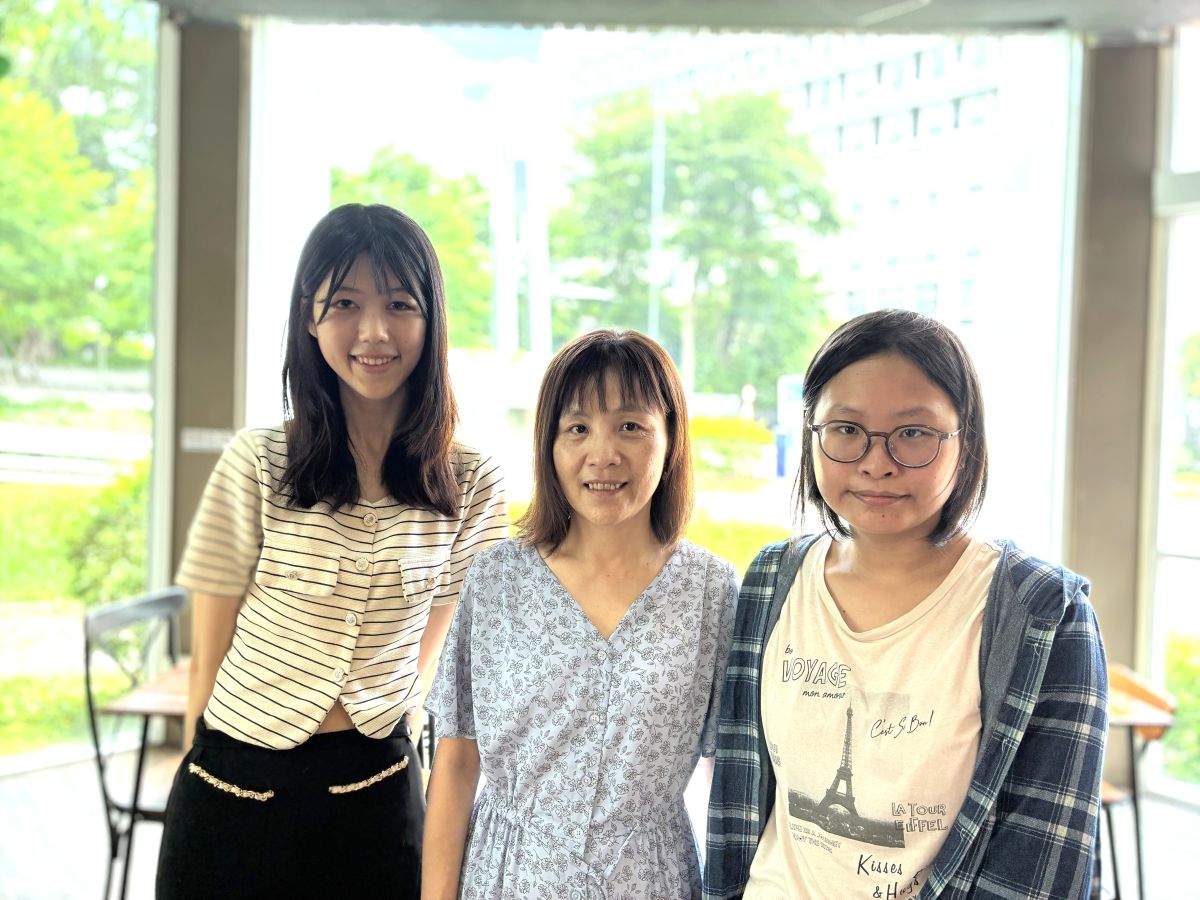
社區健康照護研究所的馮兆筠同學和邱如禎同學,與護理學院院長簡莉盈教授用一整年的時間,陪伴碧侯部落的孩子聊天、玩遊戲、歡迎偶像球星到訪,最後也讓整個部落深刻體會到,日常的陪伴真的能帶來改變。
這篇故事的序幕始於碧侯村。在開始閱讀之前,不妨也想一想,我們身邊是否也有那些渴望被引導、期待有人陪伴的人?如果你想探尋勇氣、行動與感動,請跟著我們繼續往下閱讀,也許下個奇蹟,就從你開始。
這一切的開始,來自社區健康照護研究所的一門課,「社區健康創新實踐與評值」。馮兆筠和邱如禎因課程安排,有機會走進碧侯部落參與服務。
護理學院長期推動大學社會責任計畫,鼓勵學生到社區現場學習,體驗真實的環境與挑戰。有些同學留在學校附近的社區服務,也有同學來到南澳,進入資源較少的原住民部落,和在地居民互動。
碧侯部落位於宜蘭縣南澳鄉,是泰雅族的傳統聚落。與都市相比,碧侯村的社區規模較小,生活方式與空間也有所差異。走進部落,映入眼簾的不是高樓或車流,而是樸實的鄉村景緻與在地特色。也因如此,這裡面臨的社區挑戰和都市社區大不相同。
為了更深入了解,學生們在進行社區問題評估的過程中,一開始就投入許多心力,積極參加社區活動、拜訪在地機構,並主動與居民交流。透過這些努力,原本與居民的陌生感逐漸消融,彼此也慢慢建立起信任。
隨著同學們與碧侯部落的交流日益深入,她們發現當地孩子在成長過程中常常累積許多困惑與壓力。在那裡,部分家庭因父母年紀較輕或因離婚等情況,親子間的溝通模式顯得較為單向,談話時也常帶著嚴厲的口吻。這樣的氛圍,使許多孩子習慣將憂慮深藏心裡,難以找到合適的方式傾訴。
尤其是小學畢業、即將離開村落前往城市求學的孩子們,在面對陌生的環境時,更容易感到不安,需要更多支持與陪伴。基於這些觀察,兆筠與如禎在社區健康計畫中為部落的孩子們設計了一系列心理健康活動,讓孩子們在活動中認識情緒,學習如何尋求幫助,也引導他們在互動中支持彼此。
陪伴,讓夢想逐漸清晰
兆筠與如禎談起這一年舉辦的活動時,臉上流露出微笑,也充滿喜悅。她們設計了一堂名為「壓力小怪物」的課程,用氣球示範壓力的累積,氣球裡若充太多空氣最後會爆炸,正如過多壓力會讓人承受不住。課程中,孩子們也跟著練習深呼吸,學會調整情緒與放鬆身心。
在「感同身受」活動裡,孩子們裝扮成長輩、孕婦,甚至體驗視障者的日常生活。邊玩邊討論的過程中,大家漸漸體會各類群體生活的不容易,而同理心也在活動中慢慢滋長。
此外,兆筠與如禎還為碧侯國小每個班級製作「情緒卡牌」,讓學生能透過卡牌表達當下感受,學著傾聽與理解彼此。
她們也為各年級打造了「舒壓小角落」,低年級擺放毛絨娃娃,陪伴孩子度過不安時刻;中高年級提供畫筆,讓孩子透過塗鴉記錄心情。這些角落也成了孩子們最喜愛的秘密基地。
在母親節,兩人更邀請部落家庭一同參與活動,推廣正向教養。活動後,家長開始嘗試用更溫暖的語言與孩子互動。隨著一場又一場活動展開,陪伴與傾聽也悄悄拉近了彼此距離。
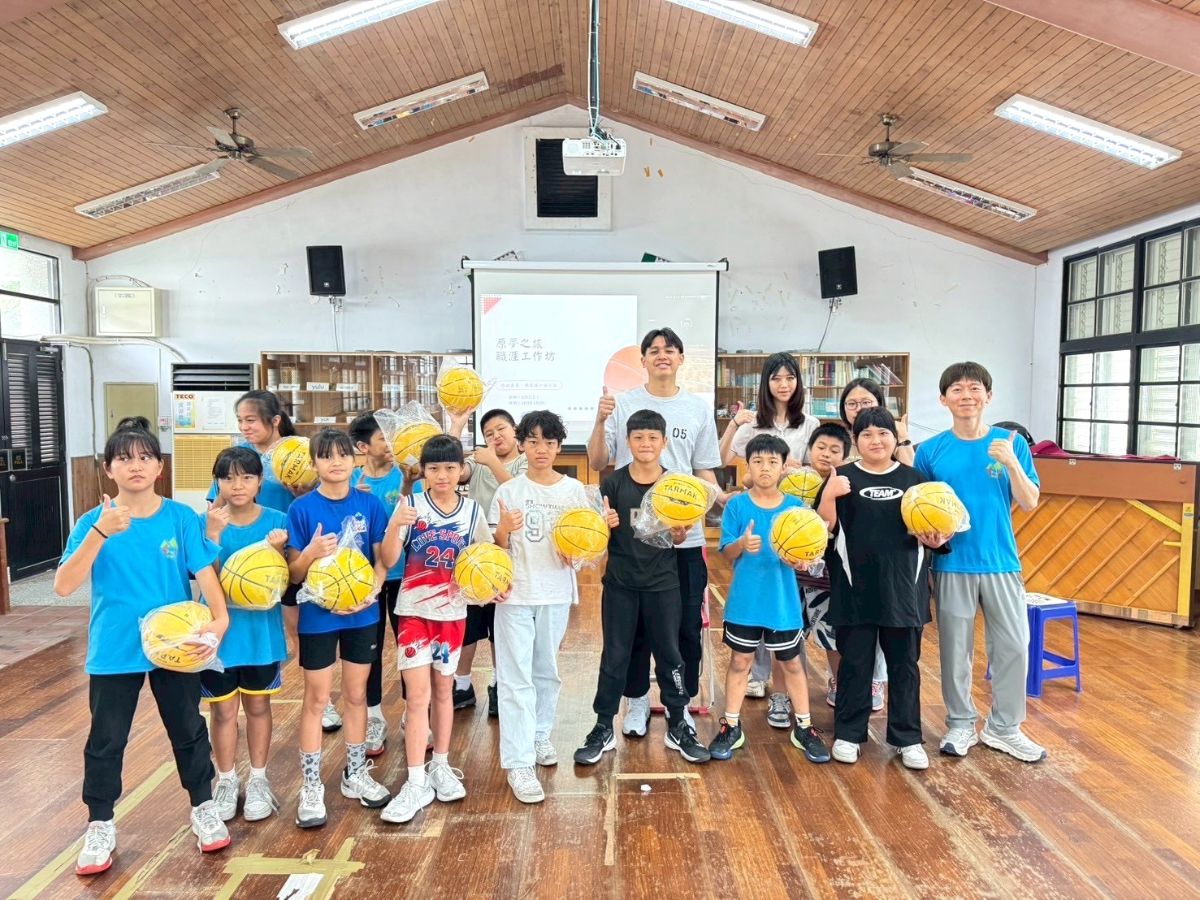
在社區健康評估的過程中,發現除了孩子們日常累積的壓力,他們對未來的職涯規劃也感到迷惘。在碧侯國小,許多孩子雖然立志成為運動國手,卻缺乏機會真正去探索夢想。為了幫助他們找到方向,團隊特別邀請旅日職籃球員游艾喆返鄉,和孩子們分享自己的成長歷程。
當「哇!游艾喆來了!」的歡呼聲響徹體育館時,這場原本只為一個年級安排的講座,瞬間變成全校同歡的盛會。對碧侯部落的孩子來說,游艾喆更像是一位遠道而來的大哥哥,是他們心中的偶像與榜樣。
游艾喆是臺灣男子籃球的優秀代表,也是泰雅族人。他分享自己在日本球場上奮鬥的經歷,談到學習新語言的挑戰與跨文化適應,並勉勵孩子們勇敢追夢,在所熱愛的領域裡持續努力。孩子們聽得專注,眼裡閃著熾熱的光芒。
隨後,他帶領大家一起練習運球與投籃,笑聲和加油聲此起彼落,整個場館充滿熱力。那一天,游艾喆帶來的不是單純的演講,是一股真實的力量。他的分享在孩子們心中種下了一顆夢想的種子,種子也在那天悄悄萌芽。
我們身邊的光
經歷了與部落攜手努力的一年,兆筠與如禎對健康專業人員在社區的角色有了更新的體悟。馮兆筠說,這份工作就像一座橋樑,既協助外部資源進入社區,也幫助社區看見自己的需求。
「一開始,大家常常覺得我們小題大作,但隨著互動,社區成員慢慢發現,這些議題真的與大家息息相關。」她提到,有時候帶進來的資源,最後能由當地學校或社區接棒延續,這種串連讓她們團隊最有成就感。
邱如禎則形容,健康專業人員角色像健康界的導遊,陪著孩子和社區一起認識自己,也帶著他們尋找資源、描繪更好的未來。
本次計畫的指導老師簡莉盈教授則認為,社區健康護理師在社區工作的目的,是主動發現居民真正的健康需求,並帶領大家一起思索、討論最適合的解決方式。
簡老師說,最重要的並非制度或專業本身,而是願意走進人群,細心聆聽與凝聚社區裡的力量。這次兩位同學也實踐了這份精神,她們以由下而上的方式參與,陪伴居民聊心事,觀察生活難處,和大家集思廣益,找出最適合碧侯部落的方案。
每一次耐心傾聽,每一次共同嘗試,都是社區健康護理師深入人心的過程,讓變化在日常中靜靜發芽。
這樣的經驗讓我們相信,社區裡的陪伴者,往往就在平凡日常中默默給予支持。生活裡常常出現這樣的陪伴者,他們不一定醒目,卻總是在你需要的時候靠近你,細細聆聽、提供支持。
一點溫柔的陪伴,理解和行動,都能讓平凡的每一天變得不一樣,也讓社區和每個人的人生多了更多可能。
很多人在人生的途中都會感到迷惘,渴望有人能夠引導自己前行。在宜蘭的碧侯部落,有一段關於陪伴、傾聽與夢想慢慢發芽的故事。在這座樸實的部落,竟然接連發生了許多充滿笑聲、勇氣和驚喜的真實經歷。
社區健康照護研究所的馮兆筠同學和邱如禎同學,與護理學院院長簡莉盈教授用一整年的時間,陪伴碧侯部落的孩子聊天、玩遊戲、歡迎偶像球星到訪,最後也讓整個部落深刻體會到,日常的陪伴真的能帶來改變。
這篇故事的序幕始於碧侯村。在開始閱讀之前,不妨也想一想,我們身邊是否也有那些渴望被引導、期待有人陪伴的人?如果你想探尋勇氣、行動與感動,請跟著我們繼續往下閱讀,也許下個奇蹟,就從你開始。
這一切的開始,來自社區健康照護研究所的一門課,「社區健康創新實踐與評值」。馮兆筠和邱如禎因課程安排,有機會走進碧侯部落參與服務。
護理學院長期推動大學社會責任計畫,鼓勵學生到社區現場學習,體驗真實的環境與挑戰。有些同學留在學校附近的社區服務,也有同學來到南澳,進入資源較少的原住民部落,和在地居民互動。
碧侯部落位於宜蘭縣南澳鄉,是泰雅族的傳統聚落。與都市相比,碧侯村的社區規模較小,生活方式與空間也有所差異。走進部落,映入眼簾的不是高樓或車流,而是樸實的鄉村景緻與在地特色。也因如此,這裡面臨的社區挑戰和都市社區大不相同。
為了更深入了解,學生們在進行社區問題評估的過程中,一開始就投入許多心力,積極參加社區活動、拜訪在地機構,並主動與居民交流。透過這些努力,原本與居民的陌生感逐漸消融,彼此也慢慢建立起信任。
隨著同學們與碧侯部落的交流日益深入,她們發現當地孩子在成長過程中常常累積許多困惑與壓力。在那裡,部分家庭因父母年紀較輕或因離婚等情況,親子間的溝通模式顯得較為單向,談話時也常帶著嚴厲的口吻。這樣的氛圍,使許多孩子習慣將憂慮深藏心裡,難以找到合適的方式傾訴。
尤其是小學畢業、即將離開村落前往城市求學的孩子們,在面對陌生的環境時,更容易感到不安,需要更多支持與陪伴。基於這些觀察,兆筠與如禎在社區健康計畫中為部落的孩子們設計了一系列心理健康活動,讓孩子們在活動中認識情緒,學習如何尋求幫助,也引導他們在互動中支持彼此。
陪伴,讓夢想逐漸清晰
兆筠與如禎談起這一年舉辦的活動時,臉上流露出微笑,也充滿喜悅。她們設計了一堂名為「壓力小怪物」的課程,用氣球示範壓力的累積,氣球裡若充太多空氣最後會爆炸,正如過多壓力會讓人承受不住。課程中,孩子們也跟著練習深呼吸,學會調整情緒與放鬆身心。
在「感同身受」活動裡,孩子們裝扮成長輩、孕婦,甚至體驗視障者的日常生活。邊玩邊討論的過程中,大家漸漸體會各類群體生活的不容易,而同理心也在活動中慢慢滋長。
此外,兆筠與如禎還為碧侯國小每個班級製作「情緒卡牌」,讓學生能透過卡牌表達當下感受,學著傾聽與理解彼此。
她們也為各年級打造了「舒壓小角落」,低年級擺放毛絨娃娃,陪伴孩子度過不安時刻;中高年級提供畫筆,讓孩子透過塗鴉記錄心情。這些角落也成了孩子們最喜愛的秘密基地。
在母親節,兩人更邀請部落家庭一同參與活動,推廣正向教養。活動後,家長開始嘗試用更溫暖的語言與孩子互動。隨著一場又一場活動展開,陪伴與傾聽也悄悄拉近了彼此距離。
在社區健康評估的過程中,發現除了孩子們日常累積的壓力,他們對未來的職涯規劃也感到迷惘。在碧侯國小,許多孩子雖然立志成為運動國手,卻缺乏機會真正去探索夢想。為了幫助他們找到方向,團隊特別邀請旅日職籃球員游艾喆返鄉,和孩子們分享自己的成長歷程。
當「哇!游艾喆來了!」的歡呼聲響徹體育館時,這場原本只為一個年級安排的講座,瞬間變成全校同歡的盛會。對碧侯部落的孩子來說,游艾喆更像是一位遠道而來的大哥哥,是他們心中的偶像與榜樣。
游艾喆是臺灣男子籃球的優秀代表,也是泰雅族人。他分享自己在日本球場上奮鬥的經歷,談到學習新語言的挑戰與跨文化適應,並勉勵孩子們勇敢追夢,在所熱愛的領域裡持續努力。孩子們聽得專注,眼裡閃著熾熱的光芒。
隨後,他帶領大家一起練習運球與投籃,笑聲和加油聲此起彼落,整個場館充滿熱力。那一天,游艾喆帶來的不是單純的演講,是一股真實的力量。他的分享在孩子們心中種下了一顆夢想的種子,種子也在那天悄悄萌芽。
我們身邊的光
經歷了與部落攜手努力的一年,兆筠與如禎對健康專業人員在社區的角色有了更新的體悟。馮兆筠說,這份工作就像一座橋樑,既協助外部資源進入社區,也幫助社區看見自己的需求。
「一開始,大家常常覺得我們小題大作,但隨著互動,社區成員慢慢發現,這些議題真的與大家息息相關。」她提到,有時候帶進來的資源,最後能由當地學校或社區接棒延續,這種串連讓她們團隊最有成就感。
邱如禎則形容,健康專業人員角色像健康界的導遊,陪著孩子和社區一起認識自己,也帶著他們尋找資源、描繪更好的未來。
本次計畫的指導老師簡莉盈教授則認為,社區健康護理師在社區工作的目的,是主動發現居民真正的健康需求,並帶領大家一起思索、討論最適合的解決方式。
簡老師說,最重要的並非制度或專業本身,而是願意走進人群,細心聆聽與凝聚社區裡的力量。這次兩位同學也實踐了這份精神,她們以由下而上的方式參與,陪伴居民聊心事,觀察生活難處,和大家集思廣益,找出最適合碧侯部落的方案。
每一次耐心傾聽,每一次共同嘗試,都是社區健康護理師深入人心的過程,讓變化在日常中靜靜發芽。
這樣的經驗讓我們相信,社區裡的陪伴者,往往就在平凡日常中默默給予支持。生活裡常常出現這樣的陪伴者,他們不一定醒目,卻總是在你需要的時候靠近你,細細聆聽、提供支持。
一點溫柔的陪伴,理解和行動,都能讓平凡的每一天變得不一樣,也讓社區和每個人的人生多了更多可能。
By Ting En Yen
Image courtesy of Chao Yun Feng, Ru-Zhen Qiu and the Secretariat
Image courtesy of Chao Yun Feng, Ru-Zhen Qiu and the Secretariat
Lighting the path
At different points in their lives, many people will feel uncertain about where they are headed and need someone to help guide them on their way.
In Pyahaw (Bihou), a small indigenous community in Yilan, a story has begun to unfold, one of companionship, listening, and dreams that gradually take shape.
In this modest village, Chao Yun Feng and Ru-Zhen Qiu, graduate students from the Institute of Community Health Care, along with Professor Li-Yin Chien, Dean of the College of Nursing, have repeatedly spent time with the local children.
Over the span of a year, their visits have been filled with countless moments of laughter, courage and unexpected joy. They have chatted, played games and even welcomed a visiting sports star, showing the entire community that simple, consistent caring companionship can truly inspire healthy changes in people’s lives.
At this point, we ask the reader to take a moment and reflect. Are there people around you who long for guidance or simply hope for someone to walk beside them?
Are you in need of courage, action or inspiration? If so, we invite you to continue reading this story of positive transformation. Who knows? The next miracle might just begin with you.
The beginning of the story can be traced to a course at the Institute of Community Health Care called Innovative Health and Evaluation. As part of the class, Chao Yun and Ru-Zhen were given the opportunity to serve in Pyahaw.
The College of Nursing has long promoted the University Social Responsibility program, which encourages students to step into local communities, experience the practical challenges of real-life settings, and grow their skills through service.
Some students choose to serve neighborhoods near campus, while others may travel to Nan’ao, where resources are more scarce, interacting with and learning alongside the indigenous residents there.
Pyahaw is a traditional indigenous settlement and a home to Atayal people in Nan’ao Township, Yilan County. Unlike bustling modern cities, Pyahaw is a small community where life moves at a slower pace and the space is shaped by a traditional way of living.
Instead of skyscrapers or streams of traffic, visitors are greeted by rustic scenery and a sense of local character. In light of these differences, it is clear that the challenges faced by the community are also very different from the challenges faced by people in urban areas.
To truly understand the culture of people in Pyahaw, the students began their work with a careful assessment of the community’s needs.
They invested a great deal of time and energy in joining local events, visiting community organizations, and actively engaging with residents. Through these efforts, the initial sense of unfamiliarity gradually faded, and trust began to grow between the students and the people in the village.
As their connections with the community deepened, the students noticed that children in Pyahaw often carried hidden worries and pressures.
In some families, the parents are quite young and not well-established in their lives, while other families are built around unstable relationships that affect how communication takes place at home.
In many cases, conversations between family members may be one-sided and carry a harsh or strict tone. In this kind of atmosphere, children often grow used to keeping their worries to themselves, finding it hard to express their feelings in an open and safe way.
These hidden worries were especially common for children finishing elementary school and preparing to leave the village for further studies in the city. Faced with an unfamiliar environment, the children were more likely to feel anxious and in need of greater support and companionship.
In response to these observations, Chao Yun and Ru-Zhen designed a series of mental health activities as part of their community health project.
These activities helped children learn to recognize their emotions, practice seeking help, and discover how to support one another through shared interactions.
Companionship helps dreams to become clear
When Chao Yun and Ru-Zhen look back on the activities they organized over the past year, their faces light up with joy.
Among the many programs they designed, one of their favorites was a lesson called “The Stress Monster.” Using balloons, they showed how stress builds up. If you fill the balloon with too much air, it eventually bursts! This is just like people who can no longer bear overwhelming pressure.
During the session, the children practiced taking in deep breaths and slowly letting them out, learning how to calm their emotions and relax both body and mind.
In another activity called “Put Yourself in Someone’s Shoes,” the children role-played as grandparents, expectant mothers, and even experienced life with impaired vision. While playing and sharing their thoughts, the children began to realize just how challenging those experiences could be. Slowly but surely, their empathy for others started to grow.
To support the students on a daily basis, Chao Yun and Ru-Zhen also created “emotion cards” for every class in Pyahaw Pwasan Biru (Bihou Elementary School). These cards give children a simple way to express how they are feeling and encourage them to listen and understand one another.
They even set up “relaxation corners” for each grade level. Soft plush toys were provided for younger students to cuddle with during uneasy moments, and drawing supplies were made available for older children to express their emotions through doodles and sketches. These cozy little corners soon became the students’ favorite hideaways.
For Mother’s Day, the two invited families from the community to join in a special event promoting positive parenting. After this event, some parents began trying to use warmer words in their daily conversations with their children.
As one activity followed another, the simple acts of companionship and listening quietly drew everyone closer together.
During the community health assessment, the team noticed that in addition to their daily stresses, many of the children felt lost when thinking about their future careers.
At Pyahaw Pwasan Biru (Bihou Elementary School), a lot of students dream of becoming elite athletes, yet few have opportunities to truly explore or pursue those aspirations. Hoping to give them direction, the team invited Yu Ai-Che, a professional basketball player, to return home and share his journey.
The moment he stepped into the gym, cheers of “Wow! Yu Ai-Che is here!” echoed through the space. What was originally planned as a small interaction with one class quickly turned into a full-school celebration.
For the children of Pyahaw, Yu Ai-Che was more than a guest speaker, he was like an older brother, someone they could look up to and feel close to.
As one of Taiwan’s standout basketball players, and a member of the Atayal community, Yu Ai-Che spoke openly about the challenges he faced on the courts in Japan, from learning a new language to adapting to a different culture.
He encouraged the children to chase their dreams with courage and to keep working hard at the things they love to do. The kids listened with rapt attention, their eyes shining with excitement.
After the talk, Yu Ai-Che joined the children on the basketball court, leading a practice for dribbling and shooting. Laughter and cheers filled the gym, and the energy was electric.
That day, he didn’t just give a speech, he brought with him a genuine source of strength. In the hearts of the children, he planted seeds of dreams, and these seeds have quietly begun to sprout.
Light around us
After a year of working alongside the community, Chao Yun and Ru-Zhen have developed a new understanding of what it means to serve as health professionals in a rural setting.
Chao Yun described the role as being like a bridge. Their work helps to bring outside resources into the community while also allowing the community to see and recognize its own needs.
“At first, when we shared our ideas, people often thought we were making a fuss over small things. But as our interactions continued, the community members gradually discovered that these issues were actually very closely tied to their daily lives.”
She added that some of the resources they introduced were later adopted and continued by local schools or community groups, and this sense of connection gave the team a great sense of accomplishment.
Ru-Zhen offered another perspective by comparing community health professionals to tour guides. To her, their role is to accompany children and the community as they come to know themselves more deeply, while also helping them seek out resources and imagine better possibilities for the future.
The team’s advisor, Professor Li-Yin Chien, Dean of the College of Nursing, shared a similar view. She explained that the mission of community health nurses is to proactively identify true health needs of residents and then lead them in reflecting on, discussing and implementing the solutions that will work best for them.
Professor Chien emphasized that what matters most is not the system or the professional title itself, but it is the willingness to step into the crowd, listen with compassion, and help foster strength within the community.
This spirit was exactly what the two students put into practice. Through a bottom-up approach, they spent time talking with residents about personal struggles, reflecting on the difficulties of daily life, and brainstorming with everyone to find the solutions best suited for the people in Pyahaw.
Each conversation and each attempt to try new things together provided nourishment to the community, allowing change to quietly take root in everyday life.
Stories like this can remind us that companions and guidance are often close at hand, and quiet support comes in ordinary moments.
Although the companions may not always be eye-catching stars, they will draw near when you need them most, ready to listen and provide encouragement.
A gentle presence, a bit of understanding, and small acts of support can transform an ordinary day into an inspiration.
Collectively, these small moments can open up new possibilities for a community and for the lives of each individual within it.
相關圖片:
-
我們身邊是否也有那些渴望被引導、期待有人陪伴的人?Are there people around you who long for guidance or simply hope for someone to walk beside them?
-
社區健康照護研究所馮兆筠同學(左),簡莉盈教授(中)與邱如禎同學(右) Chao Yun Feng (left), Professor Li-Yin Chien (center), and Ru-Zhen Qiu (right) from the Institute of Community Health Care
-
職業籃球員游艾喆親臨碧侯國小,勉勵孩子們勇敢追夢 Pro basketball player Yu Ai-Che visited Pyahaw Pwasan Biru, inspiring students to chase their dreams with courage.
