


神農坡雜誌網路版

參與共好
- 發布日期:114-09-25
- 更新日期:115-03-30
- 發布單位:公共關係組
從高中啟程 走向世界 Opening a World of Possibilities to High School Students
文/顏廷恩
圖/陽明交大附中提供、秘書處
圖/陽明交大附中提供、秘書處
高中與大學攜手同行
早晨的陽光斜灑在路上,學生們三三兩兩地背著書包、有說有笑地走進「國立陽明交通大學附屬竹北高級中學」校園,迎接新的一天。
這嶄新的校名,開啟了學校全新的篇章。從這裡出發,學生將有機會參與大學跨域課程,提早探索未來的方向。這樣的改變,也回應了高中生所面臨的重要課題。
高中與大學的學習步調原本截然不同,高中著重基礎打底,大學則鼓勵探索,也因為學習方式與目標不同,許多高中生在升學階段常常陷入迷惘,也就是自己真的適合選擇的科系嗎?面對人生的重要選擇,他們渴望能早一步看清自己想走的路。
也因此,讓高中與大學不再各自為政,而是攜手同行,成了回應教育變化的方向。國立竹北高中改隸國立陽明交通大學附屬竹北高級中學,正是這樣的嘗試。
學生從熟悉的高中校園出發,就能接觸更寬廣的學習地圖,提早看見未來的模樣。這所學校究竟有哪些與眾不同之處?接下來,就由陽明交大附中陳瑞榮校長親自說給你聽。
竹北高中改隸陽明交大附中後,對學生最大的改變之一,就是能接觸到更多樣化、更有深度的課程內容。
陳瑞榮校長說,學校已規劃多元的特色課程,像是雙語教育實驗班,未來學生可依興趣分流,深入醫學或理工方向;也開設電機資訊實驗班,讓學生提早接觸AI與半導體兩大主軸,對應未來產業趨勢。
學生還可以透過陽明交大的「ewant育網開放教育平臺」選修線上課程,修習後可銜接美國AP(Advanced Placement) 課程並參加AP考試,進一步累積學習成果,打造接軌國際的學習歷程。
除了新推出的多元課程,學生的學習環境也同步升級。陳校長分享,這樣的合作讓高中教師能與陽明交大的教師密切合作,共同備課與規劃課程,未來也將透過實驗教育累積教學經驗。
大學教授的專業研究更有機會在高中場域實踐,加上陽明交大師資培育中心的學生將至附中實習,為高中教學注入新能量。
這樣的改變下,學生還能接觸大學端開設的法律、商業、外語、理工、生醫等多元領域學科,參與實驗課程、講座與活動,甚至有機會連結大學社團。
陽明交大遍布全臺的校區與場館,也為學生提供了豐富的延伸學習場域,無論是藝文還是產業資源,學生都有機會在其中與不同領域的人才交流、合作。
從課堂內的知識學習,到課堂外的活動,這些資源的匯聚,將成為高中學生成長中重要的助力。陳校長表示,這些課程設計並不局限於附中,未來也希望能逐步拓展,讓整個大新竹地區,甚至全國的高中學生都有機會受益。
一同開啟世界之門
閱讀到這裡,你可能覺得改隸後,陽明交大附中的學生可以在高中時就接觸多元學習生活,超棒的!這對升大學很有幫助,但長遠來看,意義是什麼?這就和持續變化的世界有關了。
談到這一點時,陳校長堅定地表示,透過這些安排,希望讓學生在快速變動的世界中具備「國際移動能力」。
想像一下,有一天你收到你的dream offer,來自一家在歐洲的世界500強企業的實習offer。你非常高興,但也不禁開始思考自己的外語能力可以嗎?去了那裡,能適應當地生活嗎?
這時候,「國際移動能力」就派上用場了,它不是神祕高深的能力,而是一種讓你能安心踏出臺灣,在不同國家與文化中學習、工作、生活的能力。
會說當地語言是基本,更重要的是你能否在當地自己處理生活中遇到的事、跟不同背景的人溝通協作。簡單來說,國際移動能力就是讓你不管走到哪裡,都能自在地學習、思考、表達、適應,並且活出你想要的樣子。
沒有國際移動能力時,感覺就像開著一臺好車卻只能待在慢車道上,看得到別人超車、換車道、奔向遠方,而你卻因為語言不熟、看不懂標誌,不敢加速。想申請海外工作,但一想到外語面試就退縮;參加外國朋友聚會卻總感到不自在。
當時間久了,或許你會說服自己,其實也沒非走出去不可。但或許真正的原因只是你還沒準備好啟程。所謂的國際移動能力,並不意味著必須走得多遠,而是在機會來臨時,是否有勇氣踏出那一步。否則,即使世界再遼闊、機會之門一再敞開,也終究會停留在螢幕那一端,不曾真正抵達。
現在陽明交大附中學生,擁有一張走向世界的入場券。陳校長說,學校設計的課程,讓學生不單是在教室聽講,也讓自己當學習的主導者,親自動手做、採用自導式的雙語學習、用雙語學習新知識。
這些學習方法,讓語言不再只是考試工具,而是實際溝通和表達的方式。除了學科上的探索,學生也能跨領域學習,像是在AI、生醫、半導體課堂中探索,跟著大學老師一起進行實驗,學會靈活思考,適應各種解題風格。
附中同樣重視學生的自主學習能力。課程開始後,學生會自己找資料、設定目標、完成任務,這些歷程正是他們面對陌生環境時的底氣。學校也積極創造多元文化的學習環境。來自不同文化背景的師資、國際交流機會,讓學生從日常中學會理解差異、尊重不同,進而建立與人協作的能力。
這些安排,都是希望未來當學生有機會走向世界時,能夠自在生活、勇敢發展,無論走到哪裡都不慌張。
下一站:廣闊世界
陳校長也提出一個更深遠的目標,國際教育應該平價化。他認為,國際教育不該是少數人才可享有,因為臺灣每個孩子都需要具備國際視野,並在高中階段就開始培養國際移動能力。
未來的工作與生活不會局限在臺灣,是否能跨出舒適圈、在多元文化中找到自己的定位,將是新世代人才不可或缺的能力。
透過高中與大學的資源挹注,陽明交大與附中合作打造的是一個讓學生從高中階段就練習走進世界、理解世界、連結世界的實驗基地。最終受益的,除了產業,更是每一位能夠自信地翻開世界地圖、自由移動與發展的年輕人。
回顧改隸過程,陳瑞榮校長回憶時露出笑容,說這段期間雖然緊湊,但讓他印象最深的,並不是進度,而是陽明交大師長們展現出來的熱情。師長們不斷主動提供協助,這份支持讓他深受感動,也更加堅定推動改隸的方向。
訪談尾聲,我們問陳校長,有沒有什麼話想對附中的學生說。陳校長說:「請大家好好培養自己、認真完成每一件事,讓「陽明交大附中」成為你談到時會微笑、會感到驕傲的名字。每個人都有機會塑造自己的樣子,請用行動告訴世界,你來自附中,也將帶著這份經歷走向更寬廣的未來。」
早晨的陽光斜灑在路上,學生們三三兩兩地背著書包、有說有笑地走進「國立陽明交通大學附屬竹北高級中學」校園,迎接新的一天。
這嶄新的校名,開啟了學校全新的篇章。從這裡出發,學生將有機會參與大學跨域課程,提早探索未來的方向。這樣的改變,也回應了高中生所面臨的重要課題。
高中與大學的學習步調原本截然不同,高中著重基礎打底,大學則鼓勵探索,也因為學習方式與目標不同,許多高中生在升學階段常常陷入迷惘,也就是自己真的適合選擇的科系嗎?面對人生的重要選擇,他們渴望能早一步看清自己想走的路。
也因此,讓高中與大學不再各自為政,而是攜手同行,成了回應教育變化的方向。國立竹北高中改隸國立陽明交通大學附屬竹北高級中學,正是這樣的嘗試。
學生從熟悉的高中校園出發,就能接觸更寬廣的學習地圖,提早看見未來的模樣。這所學校究竟有哪些與眾不同之處?接下來,就由陽明交大附中陳瑞榮校長親自說給你聽。
竹北高中改隸陽明交大附中後,對學生最大的改變之一,就是能接觸到更多樣化、更有深度的課程內容。
陳瑞榮校長說,學校已規劃多元的特色課程,像是雙語教育實驗班,未來學生可依興趣分流,深入醫學或理工方向;也開設電機資訊實驗班,讓學生提早接觸AI與半導體兩大主軸,對應未來產業趨勢。
學生還可以透過陽明交大的「ewant育網開放教育平臺」選修線上課程,修習後可銜接美國AP(Advanced Placement) 課程並參加AP考試,進一步累積學習成果,打造接軌國際的學習歷程。
除了新推出的多元課程,學生的學習環境也同步升級。陳校長分享,這樣的合作讓高中教師能與陽明交大的教師密切合作,共同備課與規劃課程,未來也將透過實驗教育累積教學經驗。
大學教授的專業研究更有機會在高中場域實踐,加上陽明交大師資培育中心的學生將至附中實習,為高中教學注入新能量。
這樣的改變下,學生還能接觸大學端開設的法律、商業、外語、理工、生醫等多元領域學科,參與實驗課程、講座與活動,甚至有機會連結大學社團。
陽明交大遍布全臺的校區與場館,也為學生提供了豐富的延伸學習場域,無論是藝文還是產業資源,學生都有機會在其中與不同領域的人才交流、合作。
從課堂內的知識學習,到課堂外的活動,這些資源的匯聚,將成為高中學生成長中重要的助力。陳校長表示,這些課程設計並不局限於附中,未來也希望能逐步拓展,讓整個大新竹地區,甚至全國的高中學生都有機會受益。
一同開啟世界之門
閱讀到這裡,你可能覺得改隸後,陽明交大附中的學生可以在高中時就接觸多元學習生活,超棒的!這對升大學很有幫助,但長遠來看,意義是什麼?這就和持續變化的世界有關了。
談到這一點時,陳校長堅定地表示,透過這些安排,希望讓學生在快速變動的世界中具備「國際移動能力」。
想像一下,有一天你收到你的dream offer,來自一家在歐洲的世界500強企業的實習offer。你非常高興,但也不禁開始思考自己的外語能力可以嗎?去了那裡,能適應當地生活嗎?
這時候,「國際移動能力」就派上用場了,它不是神祕高深的能力,而是一種讓你能安心踏出臺灣,在不同國家與文化中學習、工作、生活的能力。
會說當地語言是基本,更重要的是你能否在當地自己處理生活中遇到的事、跟不同背景的人溝通協作。簡單來說,國際移動能力就是讓你不管走到哪裡,都能自在地學習、思考、表達、適應,並且活出你想要的樣子。
沒有國際移動能力時,感覺就像開著一臺好車卻只能待在慢車道上,看得到別人超車、換車道、奔向遠方,而你卻因為語言不熟、看不懂標誌,不敢加速。想申請海外工作,但一想到外語面試就退縮;參加外國朋友聚會卻總感到不自在。
當時間久了,或許你會說服自己,其實也沒非走出去不可。但或許真正的原因只是你還沒準備好啟程。所謂的國際移動能力,並不意味著必須走得多遠,而是在機會來臨時,是否有勇氣踏出那一步。否則,即使世界再遼闊、機會之門一再敞開,也終究會停留在螢幕那一端,不曾真正抵達。
現在陽明交大附中學生,擁有一張走向世界的入場券。陳校長說,學校設計的課程,讓學生不單是在教室聽講,也讓自己當學習的主導者,親自動手做、採用自導式的雙語學習、用雙語學習新知識。
這些學習方法,讓語言不再只是考試工具,而是實際溝通和表達的方式。除了學科上的探索,學生也能跨領域學習,像是在AI、生醫、半導體課堂中探索,跟著大學老師一起進行實驗,學會靈活思考,適應各種解題風格。
附中同樣重視學生的自主學習能力。課程開始後,學生會自己找資料、設定目標、完成任務,這些歷程正是他們面對陌生環境時的底氣。學校也積極創造多元文化的學習環境。來自不同文化背景的師資、國際交流機會,讓學生從日常中學會理解差異、尊重不同,進而建立與人協作的能力。
這些安排,都是希望未來當學生有機會走向世界時,能夠自在生活、勇敢發展,無論走到哪裡都不慌張。
下一站:廣闊世界
陳校長也提出一個更深遠的目標,國際教育應該平價化。他認為,國際教育不該是少數人才可享有,因為臺灣每個孩子都需要具備國際視野,並在高中階段就開始培養國際移動能力。
未來的工作與生活不會局限在臺灣,是否能跨出舒適圈、在多元文化中找到自己的定位,將是新世代人才不可或缺的能力。
透過高中與大學的資源挹注,陽明交大與附中合作打造的是一個讓學生從高中階段就練習走進世界、理解世界、連結世界的實驗基地。最終受益的,除了產業,更是每一位能夠自信地翻開世界地圖、自由移動與發展的年輕人。
回顧改隸過程,陳瑞榮校長回憶時露出笑容,說這段期間雖然緊湊,但讓他印象最深的,並不是進度,而是陽明交大師長們展現出來的熱情。師長們不斷主動提供協助,這份支持讓他深受感動,也更加堅定推動改隸的方向。
訪談尾聲,我們問陳校長,有沒有什麼話想對附中的學生說。陳校長說:「請大家好好培養自己、認真完成每一件事,讓「陽明交大附中」成為你談到時會微笑、會感到驕傲的名字。每個人都有機會塑造自己的樣子,請用行動告訴世界,你來自附中,也將帶著這份經歷走向更寬廣的未來。」
By Ting En Yen
Image courtesy of the Affiliated Senior High School of NYCU and the Secretariat
Image courtesy of the Affiliated Senior High School of NYCU and the Secretariat
Partnership to smooth the path of learning
The morning sunlight slants across the road, as groups of students chat and laugh with their backpacks in tow.
The young learners are ready to start a brand-new day as they make their way onto the campus of the newly named Affiliated Chu Pei Senior High School of National Yang Ming Chiao Tung University (NYCU).
This freshly established name signals the beginning of an exciting new chapter for the high school. Here, the students will be provided with ample opportunities to take part in interdisciplinary university courses and start exploring their future paths earlier than ever before.
In addition to the new name, other changes will be implemented to help to ease the transition of high school students entering college. The pace and style of learning in high school and college are usually very different. Also, high school studies focus on building a solid foundation of knowledge, while college encourages exploration.
Because of these differences in learning methods and goals, many students feel insecure when it comes time to choose a major, and they may feel uncertain about the path they’re about to take.
As the students face their new direction, it can help to give them a clearer sense of the road ahead as early as possible.
To bridge the gap between high school and university, the institutions can work hand-in-hand, rather than operating separately.
This strategy has become increasingly important, as changes are made in the education system. The transition of National Chu Pei Senior High School to the Affiliated Chu Pei Senior High School of NYCU is exactly this kind of effort.
It gives students the chance to start from their familiar high school campus and branch out into a much broader world of learning, exposing them to potential future paths at an earlier stage.
So, what exactly makes this school unique? We spoke with Principal Dr. Aaron Chen of the Affiliated Chu Pei Senior High School of NYCU to get the story.
Dr. Chen emphasized that after Chu Pei Senior High School became affiliated with NYCU, one of the biggest changes for students has been access to a wider range of in-depth courses.
Dr. Chen explained that the school now offers a variety of specialized programs, such as the Bilingual Education Experimental Class, where students can choose to focus on areas like medicine or science and engineering, according to their interests.
There is also an Electrical Engineering and Computer Science Experimental Class that gives students an early introduction to major fields like artificial intelligence (AI) and semiconductors, in alignment with future industry trends.
Students can also take advantage of NYCU’s ewant Open Education Platform to enroll in online courses. After finishing these courses, they can move on to Advanced Placement (AP) courses and take AP exams to further build their academic portfolios.
These opportunities allow students to strengthen their academic credentials and set themselves up for opportunities on a global stage.
In addition to the introduction of new and diverse courses, the learning environment for students has also been enhanced. Dr. Chen explained that the partnership with NYCU gives high school teachers the chance to work closely with university faculty when planning lessons and developing curricula.
In the future, the teachers will be able to build and develop new experimental education programs. University professors will also have more opportunities to share their research expertise within the high school setting, and students at NYCU’s Center for Teacher Education will practice at the affiliated school, bringing fresh energy and new ideas to the high school classroom.
With these changes, students can now access a diverse range of university-level courses in subjects like law, business, foreign language, science and engineering, and biomedical sciences.
They get to participate in hands-on experimental classes, lectures and activities, and they even have the chance to join university clubs.
NYCU’s campuses and facilities are located throughout Taiwan, giving the students a variety of opportunities for extended learning. Whether they're interested in the arts or industry-related resources, students have opportunities to connect and collaborate with talented people with diverse interests and backgrounds.
From in-class learning to after-school activities, access to such resources is a powerful boost for the growth and development of high school students.
Dr. Chen pointed out that these programs aren’t limited to their school. The broader goal is to gradually expand these opportunities, benefitting students in the greater Hsinchu area and eventually all of Taiwan.
Opening the door to the world together
After reading this far, readers may be thinking that students at the Affiliated Senior High School of NYCU now get to experience a diverse and vibrant high school life, which is fantastic! This clearly helps when it comes to applying to college, but what does it mean in the long run?
The answer to this question is related to our constantly changing world. Addressing this point, Dr. Chen firmly stated that through these initiatives, the goal is to equip students with skills necessary for global mobility.
Imagine if one day you receive an offer for your dream internship from a Fortune Global 500 company in Europe. You’re thrilled, but you can’t help but wonder if your language skills are strong enough. Will you be able to adapt to life abroad?
These are the types of issues that allow for global mobility. It isn’t some mysterious or complicated ability. Rather, it’s simply the confidence and opportunity to step out of Taiwan and study, work, or live comfortably in different countries and cultures.
Sure, speaking the local language is essential, but what matters even more is being able to handle everyday life on your own and collaborate with people from different backgrounds.
Simply put, the basis for global mobility is the capability to learn, think, express yourself, and adapt, so no matter where you go, you can live the life you truly want.
Lacking global mobility is like driving a fancy car but being stuck in the slow lane. You may watch other people speed ahead, change lanes, and race off into the distance, while you’re held back because you aren’t familiar with the language, can’t read the signs, or you’re simply too afraid to pick up speed.
Maybe you want to apply for a job overseas, but the thought of interviewing in a foreign language holds you back, or maybe you feel out of place at gatherings with international friends and colleagues.
As time goes by, you might convince yourself that staying put isn’t so bad after all, but maybe the real reason for not moving abroad is simply that you’re not confident to take the first step.
Having global mobility doesn’t mean you have to travel far, it’s about having enough courage to go for it when opportunities come your way. If you lack confidence, then no matter how boundless the opportunities, you’ll always find yourself watching from the sidelines, never truly getting into the game.
Students at the Affiliated Senior High School of NYCU are now given a passport to the world. According to Dr. Chen, the school’s curriculum is designed so students don’t just sit and listen in the classroom.
They take charge of their own learning. They get to make hands-on choices, dive into self-directed bilingual learning, and use both languages to gather new knowledge.
In this environment, the use of language skills transform from just tools for taking tests into a way to truly communicate and express ideas. Beyond exploring traditional academic subjects, students can learn about modern fields, such as AI, biomedical sciences, and semiconductors.
They also have chances to work directly with university professors on experiments, learning how to think flexibly and use a variety of problem-solving strategies.
The Affiliated Senior High School of NYCU also places a strong emphasis on developing each student’s ability to learn independently. Once classes begin, every student is expected to do their own research, set goals, and complete tasks on their own.
These experiences give them the confidence to face unfamiliar situations in the future. The school actively creates a multicultural learning environment as well.
With teachers from different cultural backgrounds and a variety of opportunities for cross-cultural exchange, students learn to understand differences and respect diversity in their daily lives.
This mindset helps them build strong teamwork skills. All of these efforts help to make sure that when students eventually step onto the global stage, they’ll be able to adapt with ease and face new challenges confidently, no matter where they choose to go.
Next stop, the world
Dr. Chen also laid out an even more forward-thinking goal of making international education affordable for everyone.
He believes that international education shouldn’t be a privilege reserved for just a few, because every child in Taiwan needs to develop a global mindset and start building their global mobility skills as students.
In the future, work and life won’t be limited to Taiwan. Being able to step out of your comfort zone and find your place in a multicultural world will be an essential skill for the next generation.
By combining the strengths and resources of both the high school and university, NYCU and the Affiliated Senior High School of NYCU are working together to create a launchpad for students to start exploring, understanding, and connecting with the world while they’re still in high school.
Ultimately, these innovations will benefit industry. But more importantly, every young person who takes this path should develop confidence to unfold a world map, move freely, and shape their own path wherever they choose to go.
Looking back on the transition process, Dr. Chen smiles as he recalls that although the transition felt like a whirlwind of change, what stood out most to him wasn’t keeping up with the schedule.
Instead, it was the enthusiasm of the faculty and staff at NYCU. The teachers consistently volunteered their support and assistance, and Dr. Chen was truly moved by their dedication. This dedication solidified his determination to see the transition through.
As our interview came to a close, we asked Dr. Chen if he had any words for the students at the Affiliated Senior High School of NYCU.
He said, “I hope you’ll work hard to develop yourselves and put your best effort into everything you do. I want ‘the Affiliated Senior High School of NYCU’ to be a name that makes you smile and fills you with pride whenever you mention it. Everyone has the chance to shape who they become. Let your actions show the world that you’re from this school, and that you’ll carry this experience with you as you move on to even greater things in the future.”
The morning sunlight slants across the road, as groups of students chat and laugh with their backpacks in tow.
The young learners are ready to start a brand-new day as they make their way onto the campus of the newly named Affiliated Chu Pei Senior High School of National Yang Ming Chiao Tung University (NYCU).
This freshly established name signals the beginning of an exciting new chapter for the high school. Here, the students will be provided with ample opportunities to take part in interdisciplinary university courses and start exploring their future paths earlier than ever before.
In addition to the new name, other changes will be implemented to help to ease the transition of high school students entering college. The pace and style of learning in high school and college are usually very different. Also, high school studies focus on building a solid foundation of knowledge, while college encourages exploration.
Because of these differences in learning methods and goals, many students feel insecure when it comes time to choose a major, and they may feel uncertain about the path they’re about to take.
As the students face their new direction, it can help to give them a clearer sense of the road ahead as early as possible.
To bridge the gap between high school and university, the institutions can work hand-in-hand, rather than operating separately.
This strategy has become increasingly important, as changes are made in the education system. The transition of National Chu Pei Senior High School to the Affiliated Chu Pei Senior High School of NYCU is exactly this kind of effort.
It gives students the chance to start from their familiar high school campus and branch out into a much broader world of learning, exposing them to potential future paths at an earlier stage.
So, what exactly makes this school unique? We spoke with Principal Dr. Aaron Chen of the Affiliated Chu Pei Senior High School of NYCU to get the story.
Dr. Chen emphasized that after Chu Pei Senior High School became affiliated with NYCU, one of the biggest changes for students has been access to a wider range of in-depth courses.
Dr. Chen explained that the school now offers a variety of specialized programs, such as the Bilingual Education Experimental Class, where students can choose to focus on areas like medicine or science and engineering, according to their interests.
There is also an Electrical Engineering and Computer Science Experimental Class that gives students an early introduction to major fields like artificial intelligence (AI) and semiconductors, in alignment with future industry trends.
Students can also take advantage of NYCU’s ewant Open Education Platform to enroll in online courses. After finishing these courses, they can move on to Advanced Placement (AP) courses and take AP exams to further build their academic portfolios.
These opportunities allow students to strengthen their academic credentials and set themselves up for opportunities on a global stage.
In addition to the introduction of new and diverse courses, the learning environment for students has also been enhanced. Dr. Chen explained that the partnership with NYCU gives high school teachers the chance to work closely with university faculty when planning lessons and developing curricula.
In the future, the teachers will be able to build and develop new experimental education programs. University professors will also have more opportunities to share their research expertise within the high school setting, and students at NYCU’s Center for Teacher Education will practice at the affiliated school, bringing fresh energy and new ideas to the high school classroom.
With these changes, students can now access a diverse range of university-level courses in subjects like law, business, foreign language, science and engineering, and biomedical sciences.
They get to participate in hands-on experimental classes, lectures and activities, and they even have the chance to join university clubs.
NYCU’s campuses and facilities are located throughout Taiwan, giving the students a variety of opportunities for extended learning. Whether they're interested in the arts or industry-related resources, students have opportunities to connect and collaborate with talented people with diverse interests and backgrounds.
From in-class learning to after-school activities, access to such resources is a powerful boost for the growth and development of high school students.
Dr. Chen pointed out that these programs aren’t limited to their school. The broader goal is to gradually expand these opportunities, benefitting students in the greater Hsinchu area and eventually all of Taiwan.
Opening the door to the world together
After reading this far, readers may be thinking that students at the Affiliated Senior High School of NYCU now get to experience a diverse and vibrant high school life, which is fantastic! This clearly helps when it comes to applying to college, but what does it mean in the long run?
The answer to this question is related to our constantly changing world. Addressing this point, Dr. Chen firmly stated that through these initiatives, the goal is to equip students with skills necessary for global mobility.
Imagine if one day you receive an offer for your dream internship from a Fortune Global 500 company in Europe. You’re thrilled, but you can’t help but wonder if your language skills are strong enough. Will you be able to adapt to life abroad?
These are the types of issues that allow for global mobility. It isn’t some mysterious or complicated ability. Rather, it’s simply the confidence and opportunity to step out of Taiwan and study, work, or live comfortably in different countries and cultures.
Sure, speaking the local language is essential, but what matters even more is being able to handle everyday life on your own and collaborate with people from different backgrounds.
Simply put, the basis for global mobility is the capability to learn, think, express yourself, and adapt, so no matter where you go, you can live the life you truly want.
Lacking global mobility is like driving a fancy car but being stuck in the slow lane. You may watch other people speed ahead, change lanes, and race off into the distance, while you’re held back because you aren’t familiar with the language, can’t read the signs, or you’re simply too afraid to pick up speed.
Maybe you want to apply for a job overseas, but the thought of interviewing in a foreign language holds you back, or maybe you feel out of place at gatherings with international friends and colleagues.
As time goes by, you might convince yourself that staying put isn’t so bad after all, but maybe the real reason for not moving abroad is simply that you’re not confident to take the first step.
Having global mobility doesn’t mean you have to travel far, it’s about having enough courage to go for it when opportunities come your way. If you lack confidence, then no matter how boundless the opportunities, you’ll always find yourself watching from the sidelines, never truly getting into the game.
Students at the Affiliated Senior High School of NYCU are now given a passport to the world. According to Dr. Chen, the school’s curriculum is designed so students don’t just sit and listen in the classroom.
They take charge of their own learning. They get to make hands-on choices, dive into self-directed bilingual learning, and use both languages to gather new knowledge.
In this environment, the use of language skills transform from just tools for taking tests into a way to truly communicate and express ideas. Beyond exploring traditional academic subjects, students can learn about modern fields, such as AI, biomedical sciences, and semiconductors.
They also have chances to work directly with university professors on experiments, learning how to think flexibly and use a variety of problem-solving strategies.
The Affiliated Senior High School of NYCU also places a strong emphasis on developing each student’s ability to learn independently. Once classes begin, every student is expected to do their own research, set goals, and complete tasks on their own.
These experiences give them the confidence to face unfamiliar situations in the future. The school actively creates a multicultural learning environment as well.
With teachers from different cultural backgrounds and a variety of opportunities for cross-cultural exchange, students learn to understand differences and respect diversity in their daily lives.
This mindset helps them build strong teamwork skills. All of these efforts help to make sure that when students eventually step onto the global stage, they’ll be able to adapt with ease and face new challenges confidently, no matter where they choose to go.
Next stop, the world
Dr. Chen also laid out an even more forward-thinking goal of making international education affordable for everyone.
He believes that international education shouldn’t be a privilege reserved for just a few, because every child in Taiwan needs to develop a global mindset and start building their global mobility skills as students.
In the future, work and life won’t be limited to Taiwan. Being able to step out of your comfort zone and find your place in a multicultural world will be an essential skill for the next generation.
By combining the strengths and resources of both the high school and university, NYCU and the Affiliated Senior High School of NYCU are working together to create a launchpad for students to start exploring, understanding, and connecting with the world while they’re still in high school.
Ultimately, these innovations will benefit industry. But more importantly, every young person who takes this path should develop confidence to unfold a world map, move freely, and shape their own path wherever they choose to go.
Looking back on the transition process, Dr. Chen smiles as he recalls that although the transition felt like a whirlwind of change, what stood out most to him wasn’t keeping up with the schedule.
Instead, it was the enthusiasm of the faculty and staff at NYCU. The teachers consistently volunteered their support and assistance, and Dr. Chen was truly moved by their dedication. This dedication solidified his determination to see the transition through.
As our interview came to a close, we asked Dr. Chen if he had any words for the students at the Affiliated Senior High School of NYCU.
He said, “I hope you’ll work hard to develop yourselves and put your best effort into everything you do. I want ‘the Affiliated Senior High School of NYCU’ to be a name that makes you smile and fills you with pride whenever you mention it. Everyone has the chance to shape who they become. Let your actions show the world that you’re from this school, and that you’ll carry this experience with you as you move on to even greater things in the future.”
相關圖片:
-
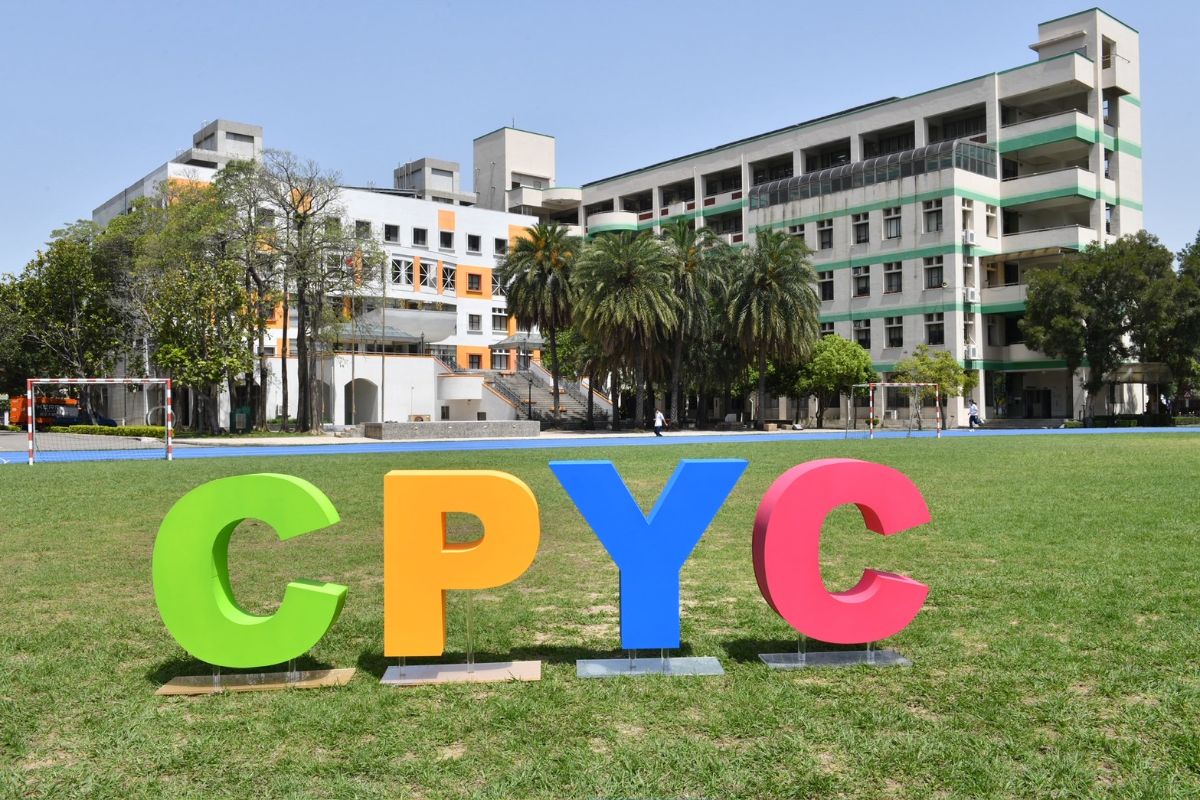
國立陽明交通大學附屬竹北高級中學 The Affiliated Chu Pei Senior High School of National Yang Ming Chiao Tung University
-
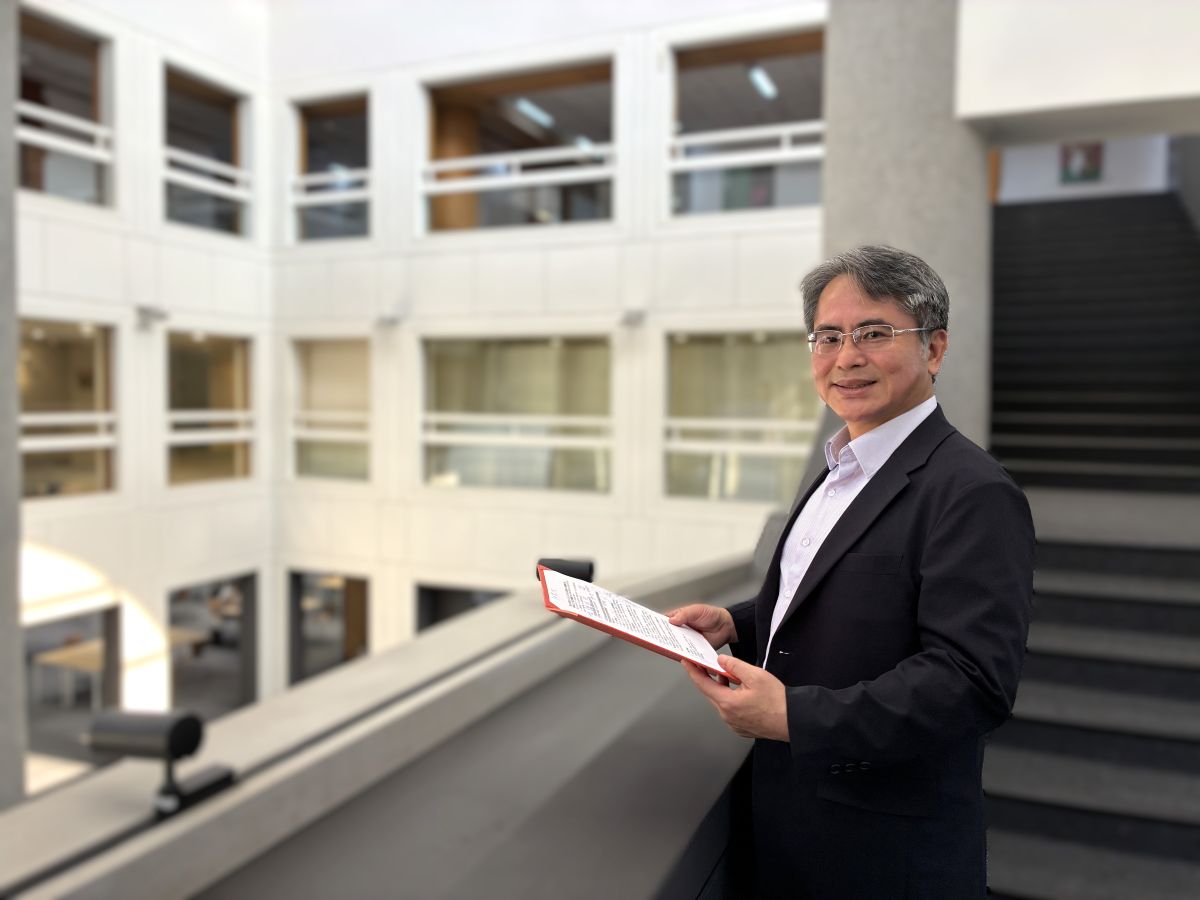
陽明交大附中陳瑞榮校長 Principal Dr. Aaron Chen of the Affiliated Chu Pei Senior High School of NYCU
-
從課堂內的知識學習,到課堂外的活動,這些資源的匯聚將成為高中學生成長中重要的助力 From in-class learning to after-school activities, access to such resources is a powerful boost for the growth and development of high school students.
